Birkin vs. Kelly: Which Hermès Bag Held Value Better?
The Birkin gets the headlines. The Kelly has a much stronger argument than people give it credit for.
The Birkin may be the louder symbol. The Kelly may be the sharper test.
Both are Hermès icons. Both sit near the top of the luxury handbag hierarchy. Both are difficult to buy directly in the exact version a customer wants. And both have developed serious secondary-market value over the last decade.
Still, their price stories are not identical. That is what makes Birkin vs. Kelly more interesting than a simple house-versus-house comparison. It is not a battle between brands. It is a close reading of how two myths from the same brand behave once the market starts keeping score.
What the chart shows
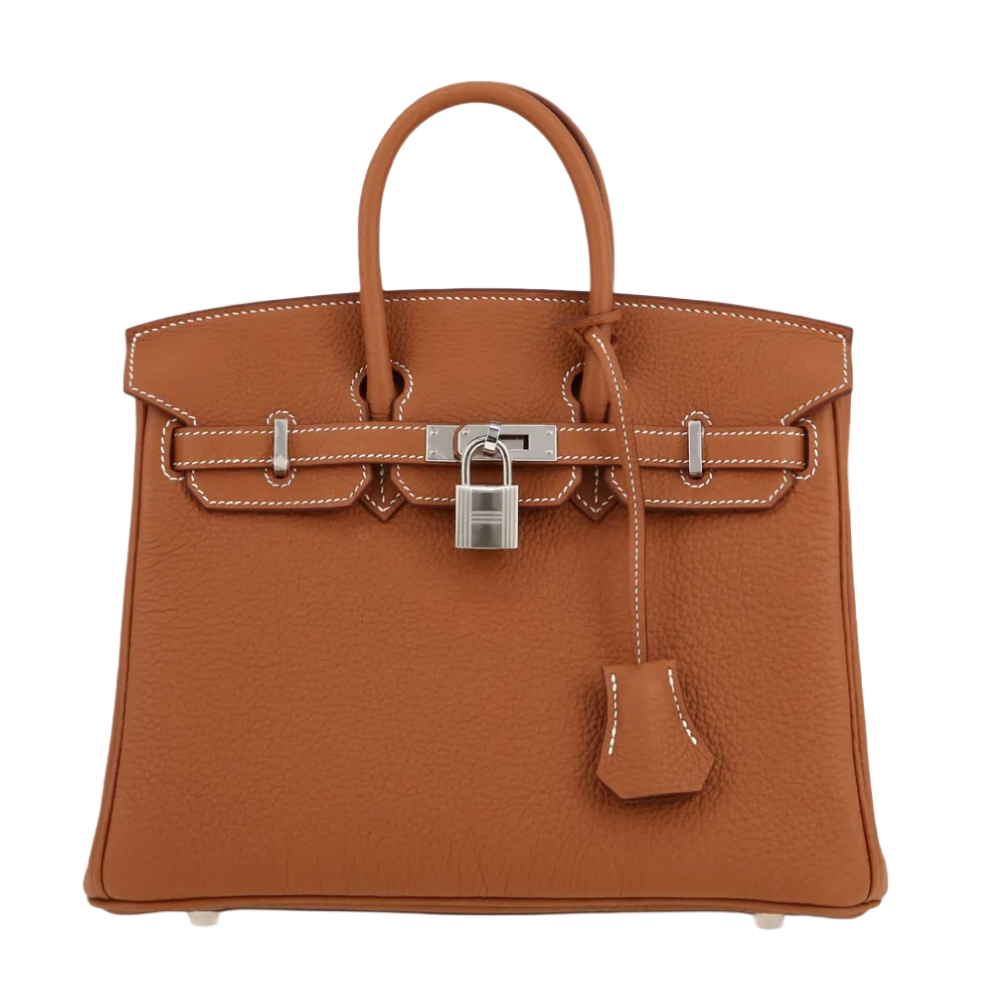
H. Birkin 30
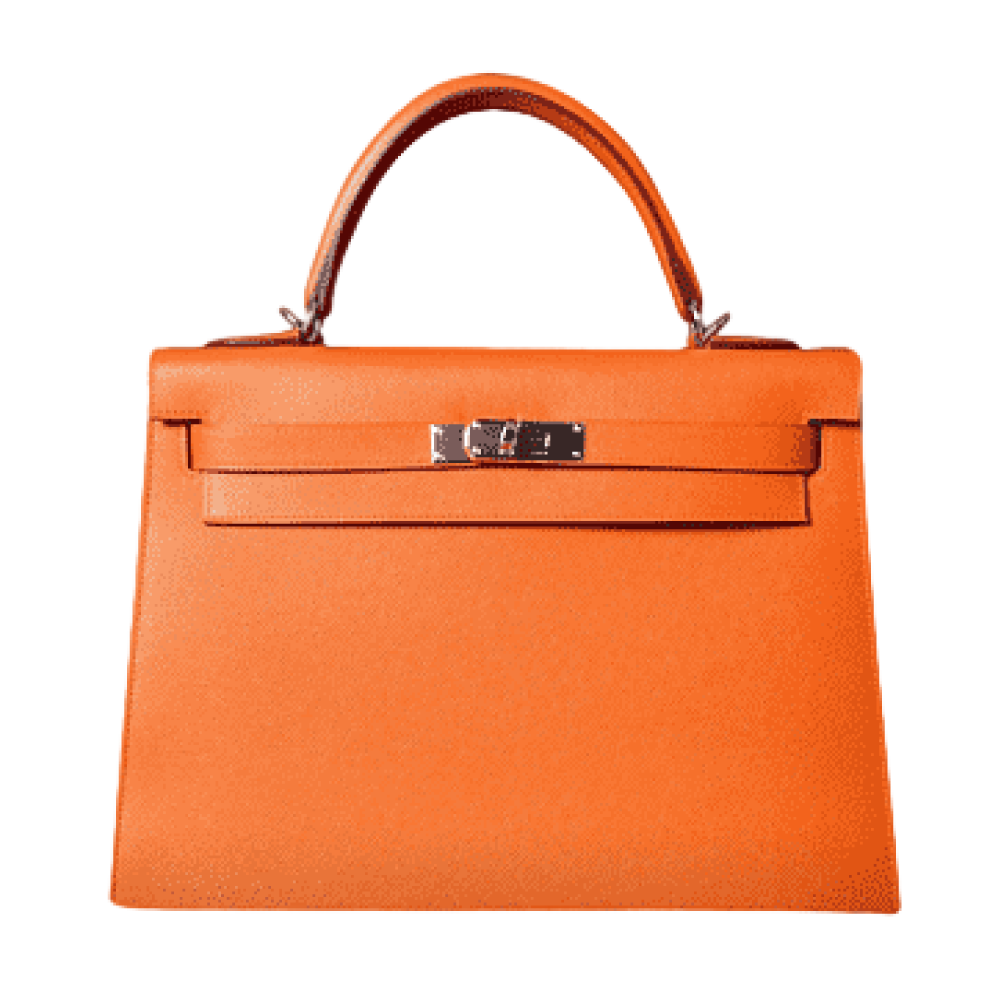
H. Kelly 28
Birkin vs. Kelly: Which Hermès Bag Held Value Better?
The Splurge Index chart compares the Hermès Birkin 30 and the Hermès Kelly 28 from 2013 to 2026.
In this series:
the Birkin 30 rises from roughly $11,000 to $25,000,
while the Kelly 28 climbs from about $9,000 to $28,000.
That means the Kelly ends the period above the Birkin in this specific comparison, despite beginning lower. It is a striking result, and a useful reminder that luxury resale conversations can be shaped by reputation more than by the actual curves.
Same scarcity machine, different emotional code
H. Birkin 30
H. Kelly 28
Hermès Birkin · 2016
~$15k→~$25k
Hermès Kelly · 2016
~$12k→~$28k
The Birkin and Kelly share the Hermès ecosystem: limited supply, controlled access, craftsmanship, and a reputation built over decades. But they do not signal exactly the same thing.
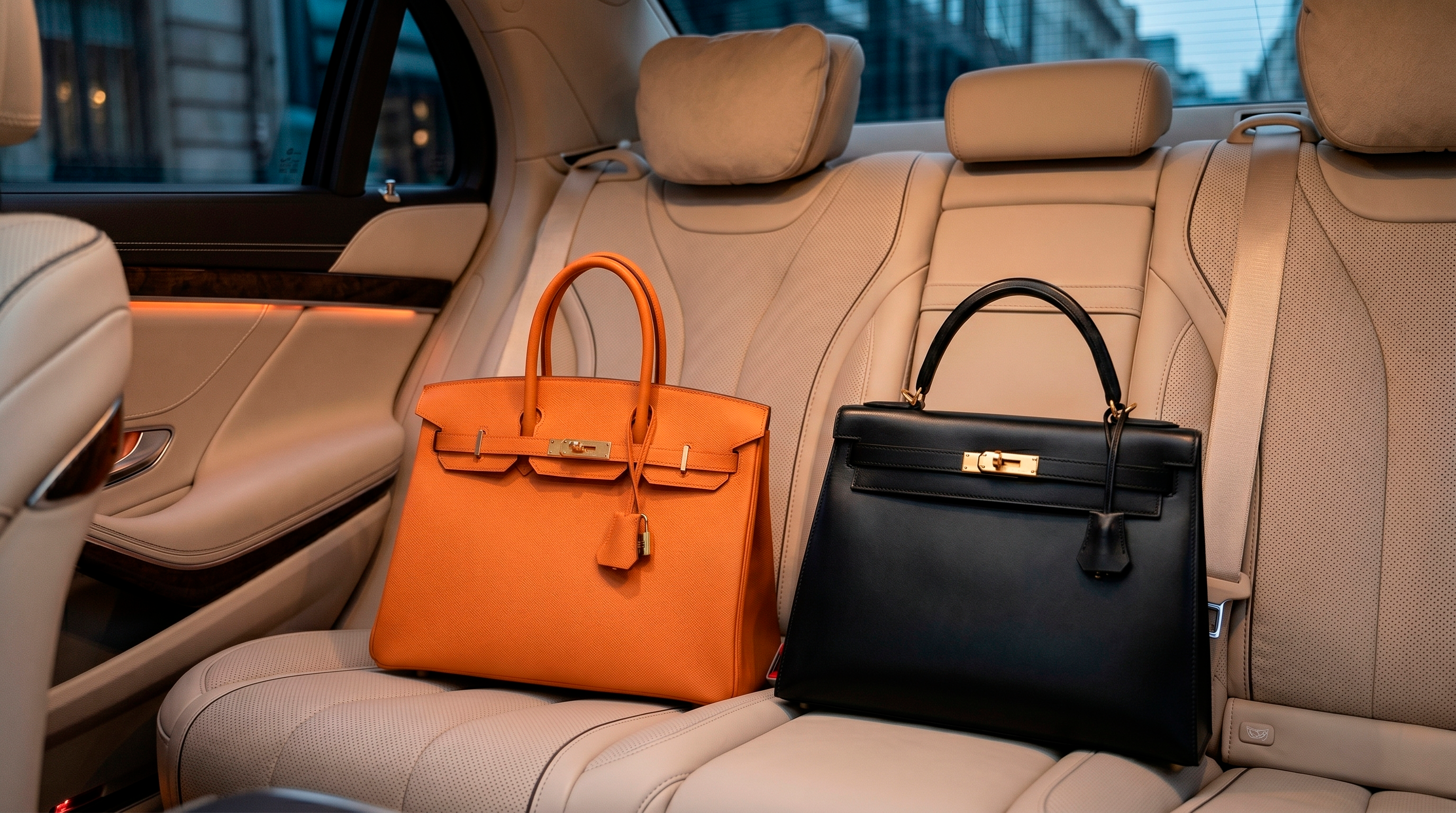
The Birkin is often read as relaxed power. It is the one people picture in airport lounges, on celebrity arms, or casually placed in front of a lunch that costs too much. It feels worldly, oversized in cultural meaning, and almost shorthand for luxury itself.
The Kelly is more composed. It carries an older, sharper, slightly more formal mythology. Depending on the size and styling, it can feel more precise than performative. In recent years, that distinction has worked in its favor as certain Kelly shapes and sizes have become especially coveted.
The market does not price only leather and stitching. It prices cultural mood.
Why the Kelly can pull ahead
The Kelly’s stronger endpoint in this series should not be read as a universal law. A Birkin in a sought-after configuration can outperform a Kelly, and vice versa. Sotheby’s is explicit that Hermès bag prices can vary substantially with condition, size, material, color, and date stamp.
But the chart does suggest something meaningful: the Kelly is not the Birkin’s quieter sibling in resale terms.
Its profile benefits from:
Hermès scarcity,
design longevity,
strong demand for smaller and more polished silhouettes,
and a perception that feels less ubiquitous than the Birkin despite being equally iconic.
When a luxury object feels both canonical and still slightly less overexposed, the resale market notices.
What this says about Hermès
The bigger insight is not that one bag “wins.” It is that Hermès has built more than one resale monster.
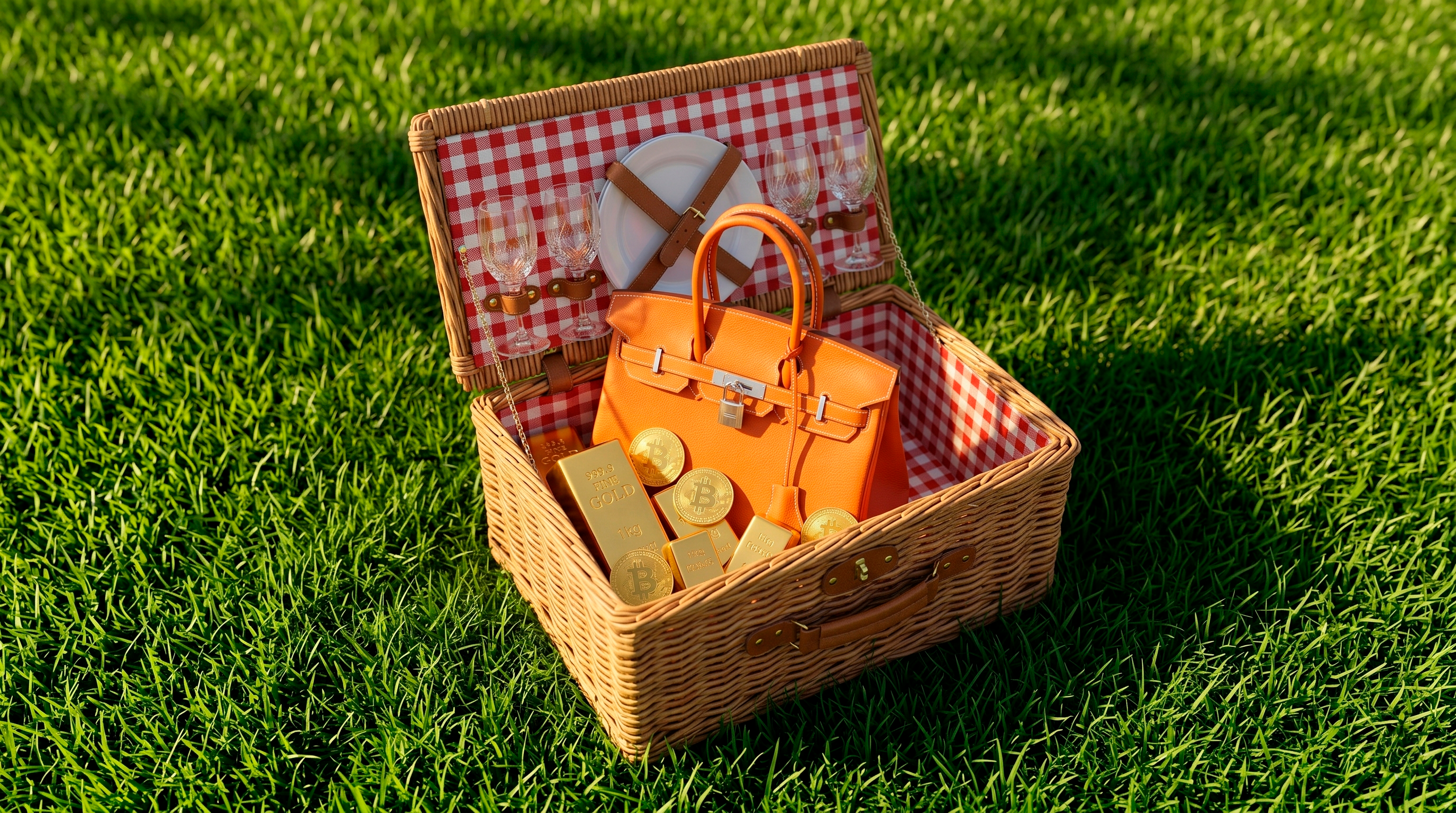
Many brands have one product that becomes the entire investment conversation. Hermès has at least two. That matters because it points to brand architecture, not just product luck. The value is not confined to one accidental cultural lightning strike. It is embedded in how Hermès manages scarcity, storytelling, and desirability across its top icons.
The Birkin proves that a handbag can become a financial headline. The Kelly proves it was not a one-off.
The caveat: no such thing as a generic Hermès bag
A chart needs one series. A real resale market does not.
“Birkin” and “Kelly” are categories filled with variables: leather, color, hardware, age, size, wear, and current fashion preferences. A noir Togo bag in excellent condition is not interchangeable with a more niche color in visibly worn shape. Two bags with the same name can behave very differently at resale.
That does not undermine the chart. It clarifies what it is doing. We are comparing representative resale-price histories, not claiming every individual bag follows the same path.
The takeaway
If the question is “Which Hermès icon held value better in this comparison?”, the Kelly 28 makes a very strong case.
If the question is “Which is the better bag?”, the chart wisely stays out of it.
The more useful conclusion is that both the Birkin and Kelly have crossed into a rare luxury category: objects whose cultural prestige and resale behavior are powerful enough to deserve side-by-side analysis. One may win the selected window. Both win the larger argument.