Petrus vs. Romanee-Conti: Which Cult Wine Held Value Better?
One Bordeaux legend, one Burgundy deity. Their charts show that prestige is not always priced in the same way.
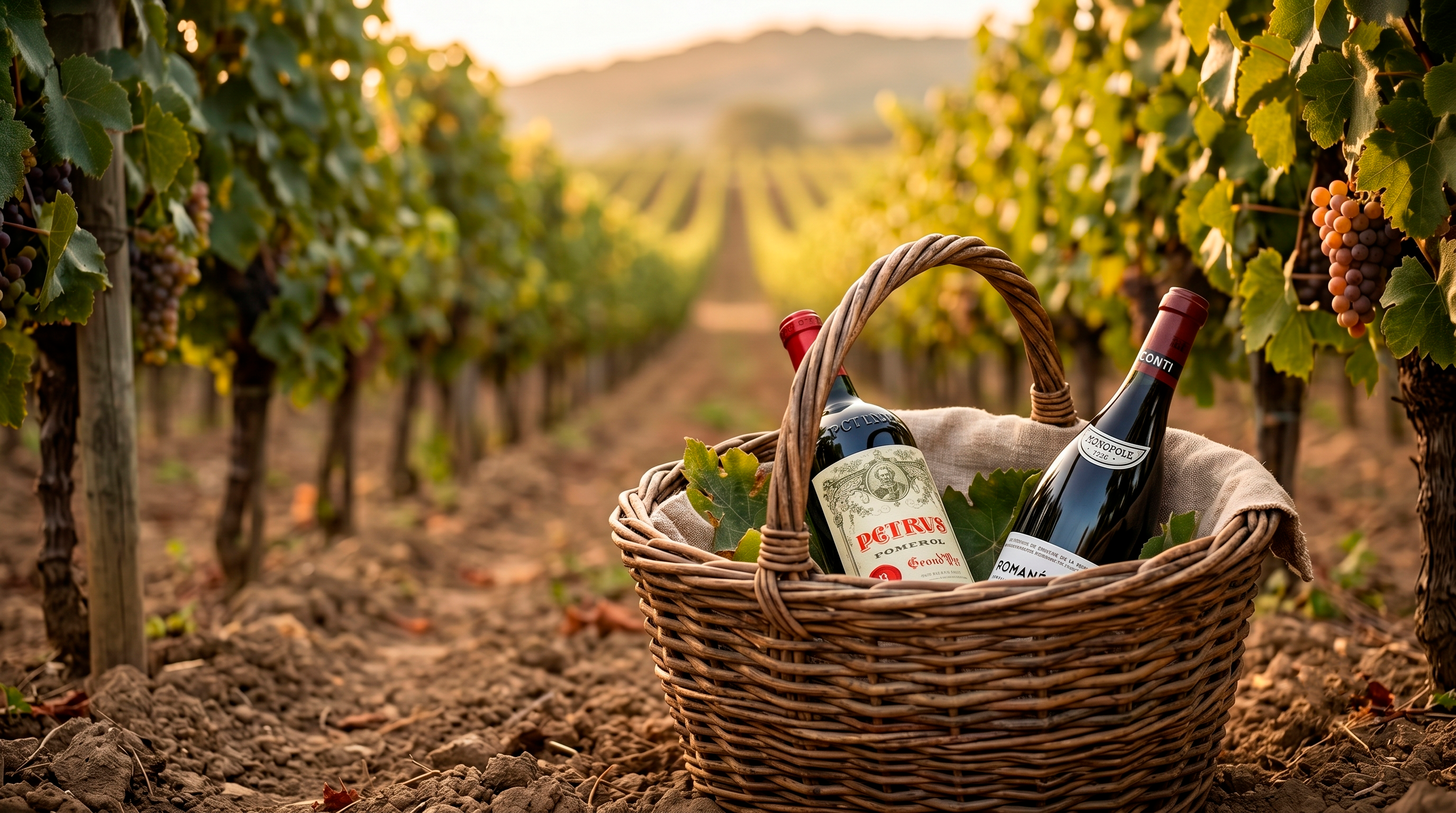
Pétrus 2009 and Romanée-Conti 2009 occupy different corners of wine mythology.
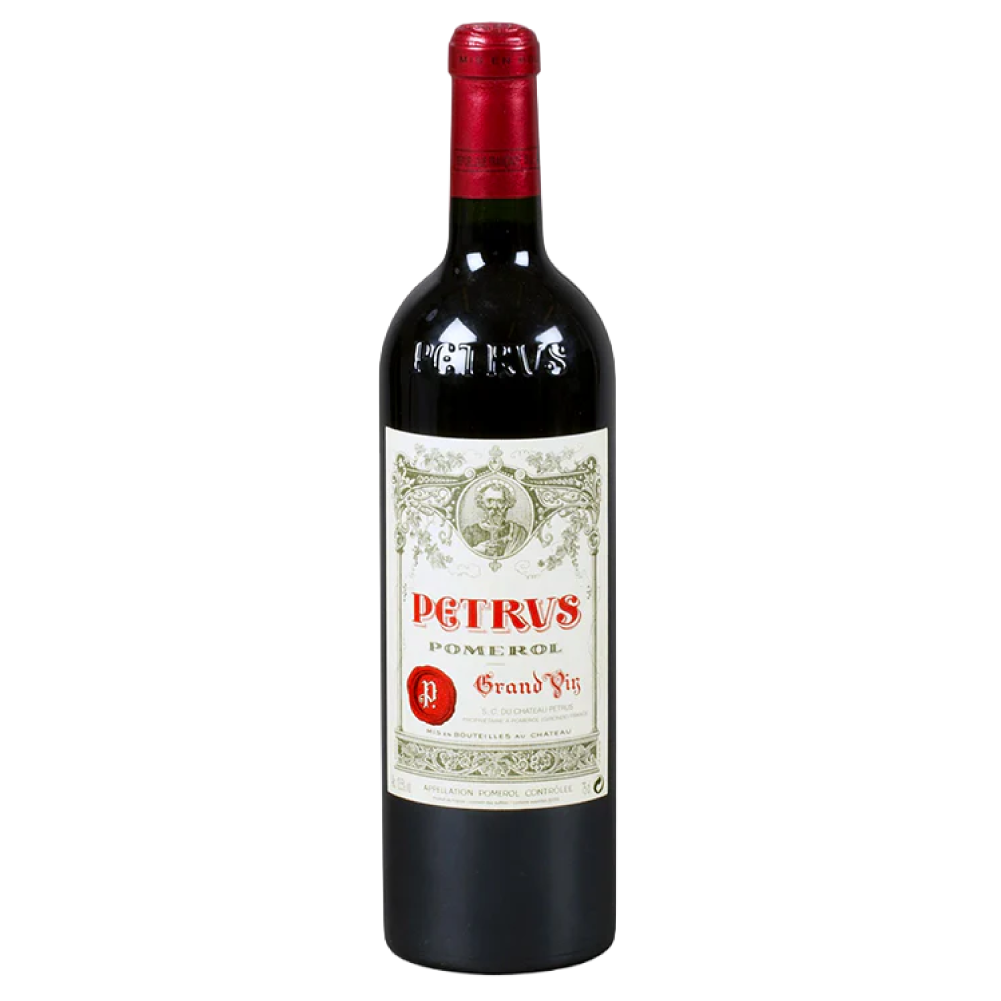
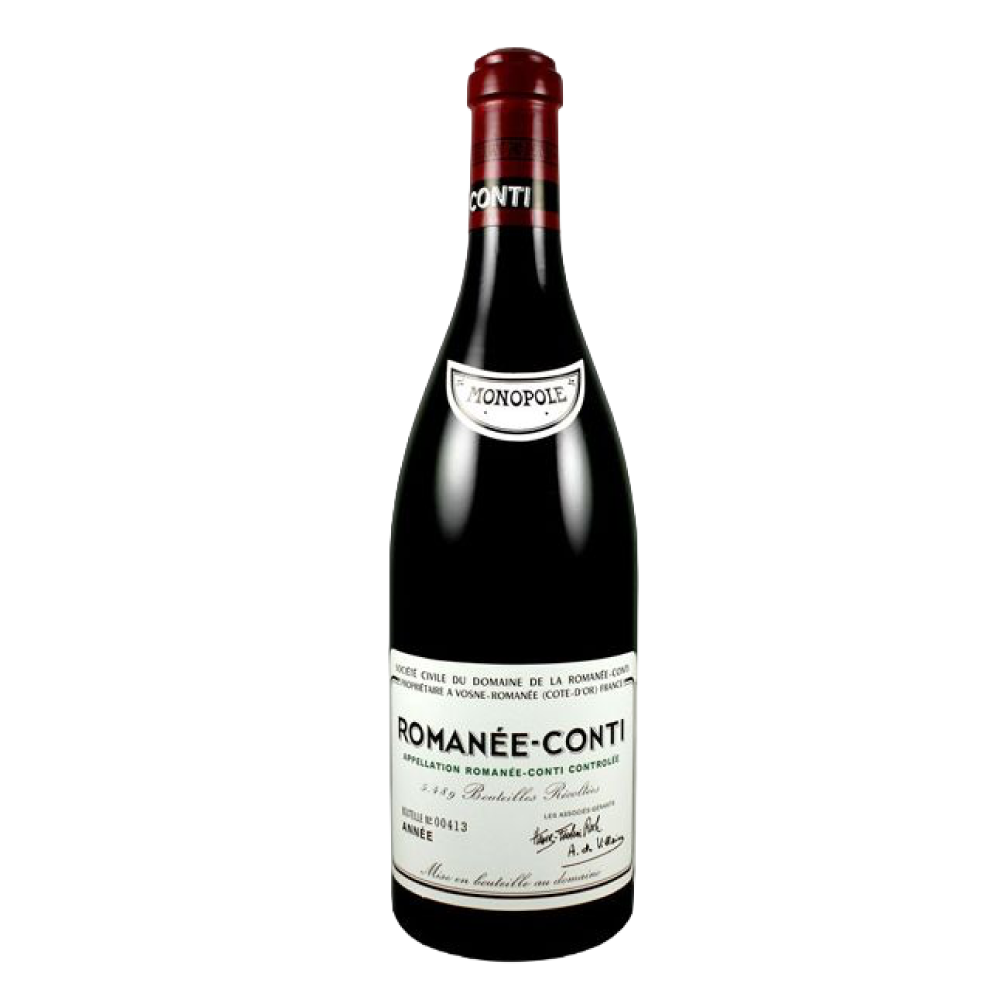
Pétrus is Pomerol grandeur: powerful, scarce, Bordeaux royalty without the château spectacle. Romanée-Conti is Burgundian near-religion: one vineyard, minuscule production, and a reputation that makes normal wine pricing feel quaint.
They are both cult wines. They are not the same kind of cult.
What the chart shows
Pétrus 09'
DRC 09'
Petrus vs. Romanee-Conti: Which Cult Wine Held Value Better?
The Splurge Index chart compares the two 2009 bottles across the available long-run price history used for the project.
The Pétrus 2009 series begins lower, dips through the mid-2010s, and later recovers to a higher level by the mid-2020s. The Romanée-Conti 2009 series also softens early, then climbs more decisively over the longer arc and ends much higher in absolute price.
That matters because “famous wine” is not a sufficient category. The market treats different prestige systems differently.
Pétrus: Bordeaux power, but not a straight line
Pétrus 09'
DRC 09'
Château Pétrus 09' · 2012
~$5.3k→~$4.8k
Romanée-Conti 09' · 2012
~$15k→~$23k
Pétrus carries a huge reputation, and the 2009 vintage is no weakling. Sotheby’s auction notes describe the wine in glowing terms, and the market clearly continues to value it.
But the Pétrus price history in this dataset is not a simple march upward. It includes decline, recovery, and a more measured long-term path. That makes it instructive. Even legendary wines can experience periods where the price story gets less glamorous than the tasting note.
Bordeaux has also faced broader market questions in recent years, including softer fine-wine pricing and more scrutiny around release valuations. A bottle can remain prestigious while its market becomes more selective.
Romanée-Conti: scarcity operating at a different altitude
Romanée-Conti belongs to one of the most extreme scarcity stories in wine. The production scale is tiny, global demand is enormous, and the name functions almost like shorthand for the inaccessible.
That does not mean it rises uninterrupted. The dataset shows early softness too. But the longer-term recovery and higher endpoint reinforce how differently the market can price an object when scarcity is not just a feature — it is the entire mythology.
Sotheby’s continues to treat DRC as a central reference point in high-end Burgundy collecting, and the auction market keeps confirming that these bottles operate in their own tier.
Why this comparison is more useful than “Bordeaux vs. Burgundy”
It is tempting to turn Pétrus vs. Romanée-Conti into a regional rivalry. That would oversimplify it.
This is not merely Bordeaux versus Burgundy. It is:
larger-production prestige versus ultra-concentrated scarcity,
a singular right-bank legend versus one of wine’s most exalted monopolies,
and two different ways a bottle becomes culturally untouchable.
The price histories reflect that difference.
What the chart cannot tell you
Fine wine is one of the most difficult luxury assets to standardize. Condition, provenance, storage, fill level, tax status, format, and sale venue can all affect value. Index-style price histories are helpful, but they compress a market full of nuance.
That is not a flaw. It is the reason the chart should be read as a comparative lens rather than a transaction guarantee.
The takeaway
Pétrus 2009 and Romanée-Conti 2009 are both serious wines. The chart suggests Romanée-Conti carries the stronger long-run price story in this matchup, while Pétrus follows a more uneven but still meaningful path.
The lesson is not that one bottle is “better.” It is that prestige alone does not create one universal market behavior. Scarcity structure matters. Category mythology matters. And sometimes the most elegant chart is the one that refuses to flatter both sides equally.