Collectibles can outperform. Some have. But the market is not a single hurdle, and collectibles are not a single asset class.
“Collectibles beat the market” is one of those phrases that sounds both sophisticated and suspicious.
It is true enough to circulate. It is broad enough to mislead.
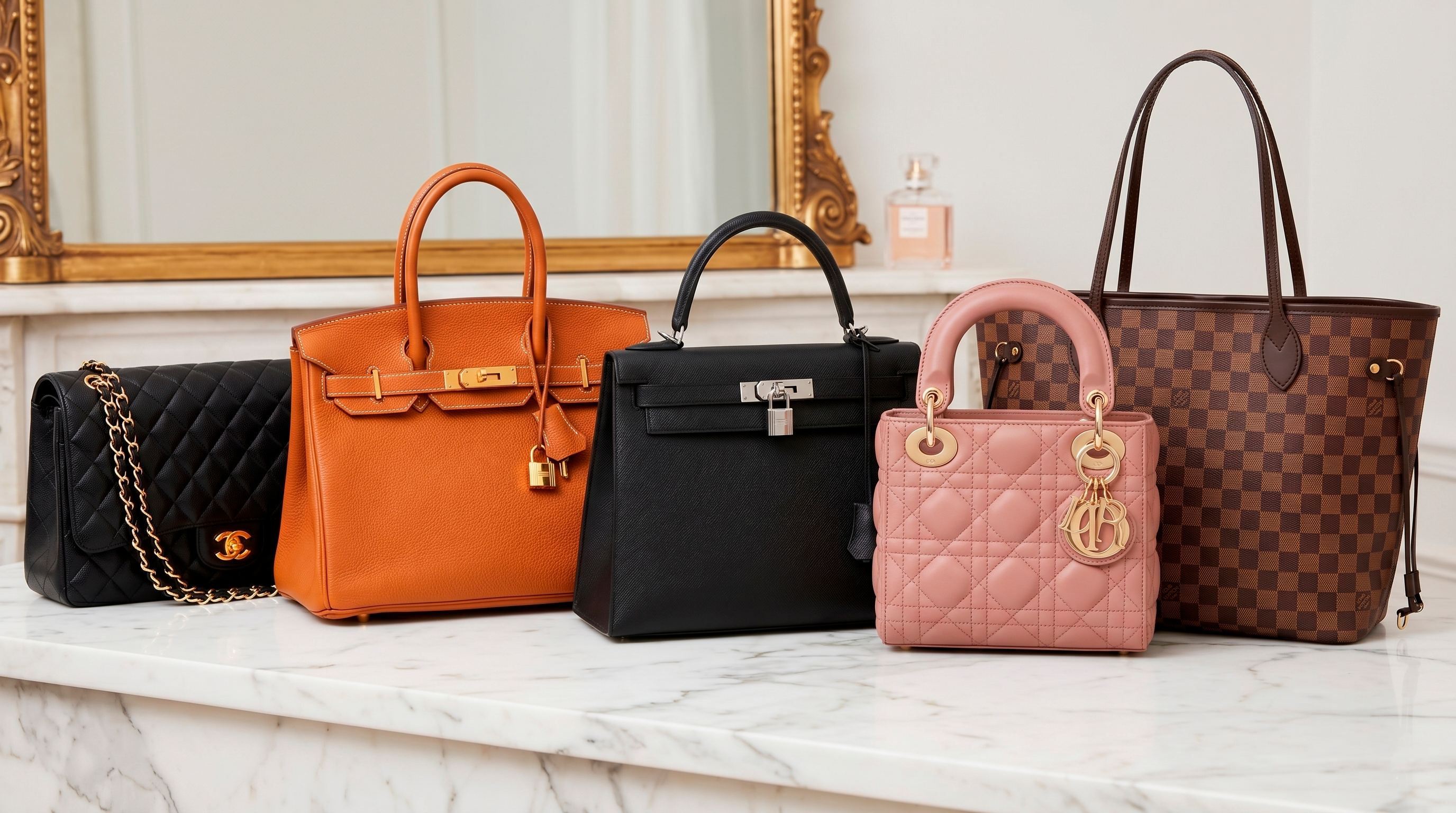
Luxury bags, watches, whisky, and wine can absolutely appreciate. Some have done so spectacularly. Some have produced charts that look deeply inconvenient for anyone committed to the idea that only traditional assets deserve serious conversation.
But collectibles are not one asset class. The market is not one hurdle. And “beat” is doing an enormous amount of work.
What the chart shows
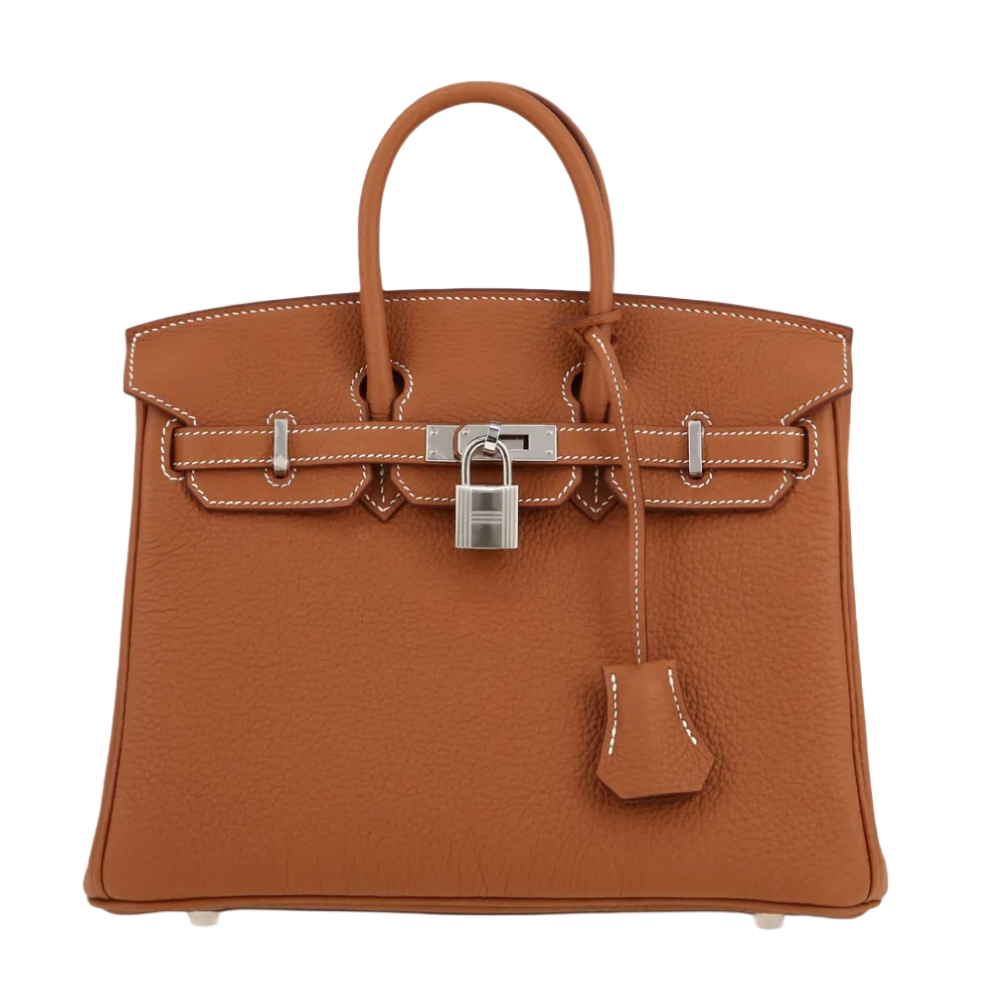
H. Birkin 30
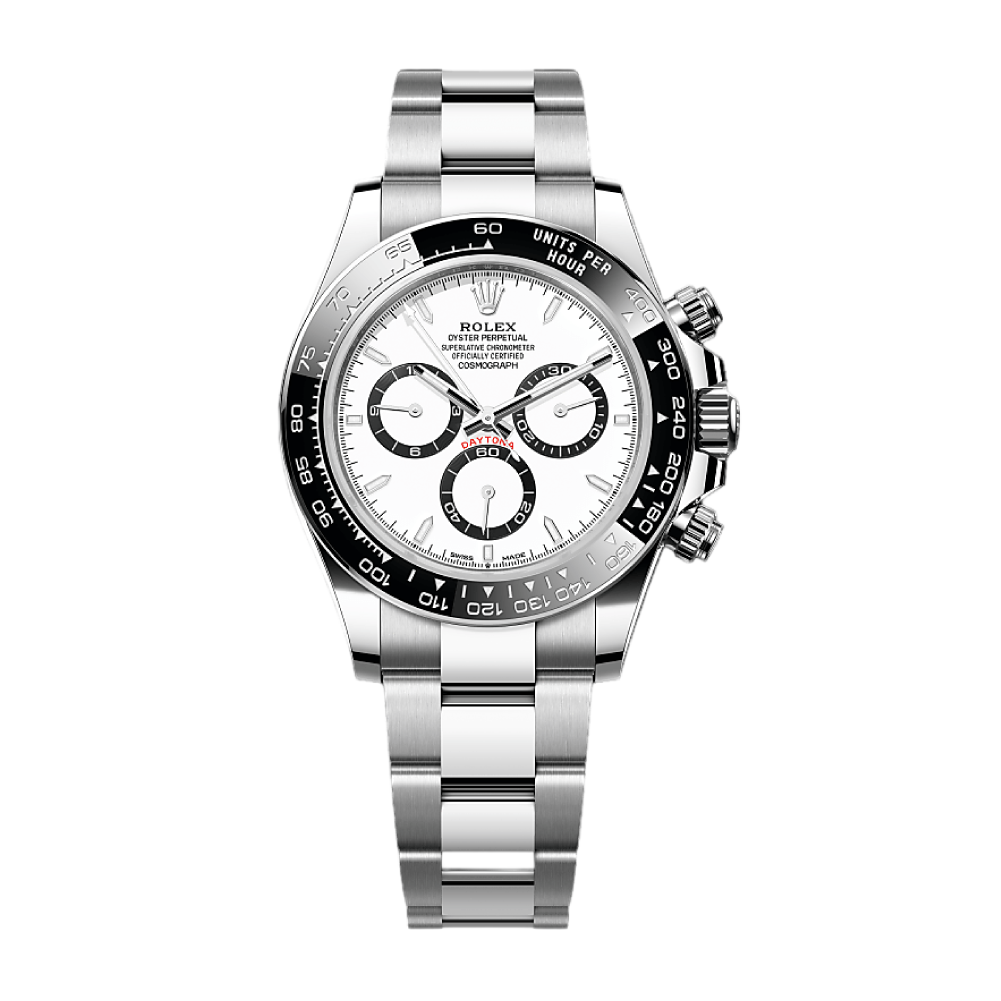
Daytona
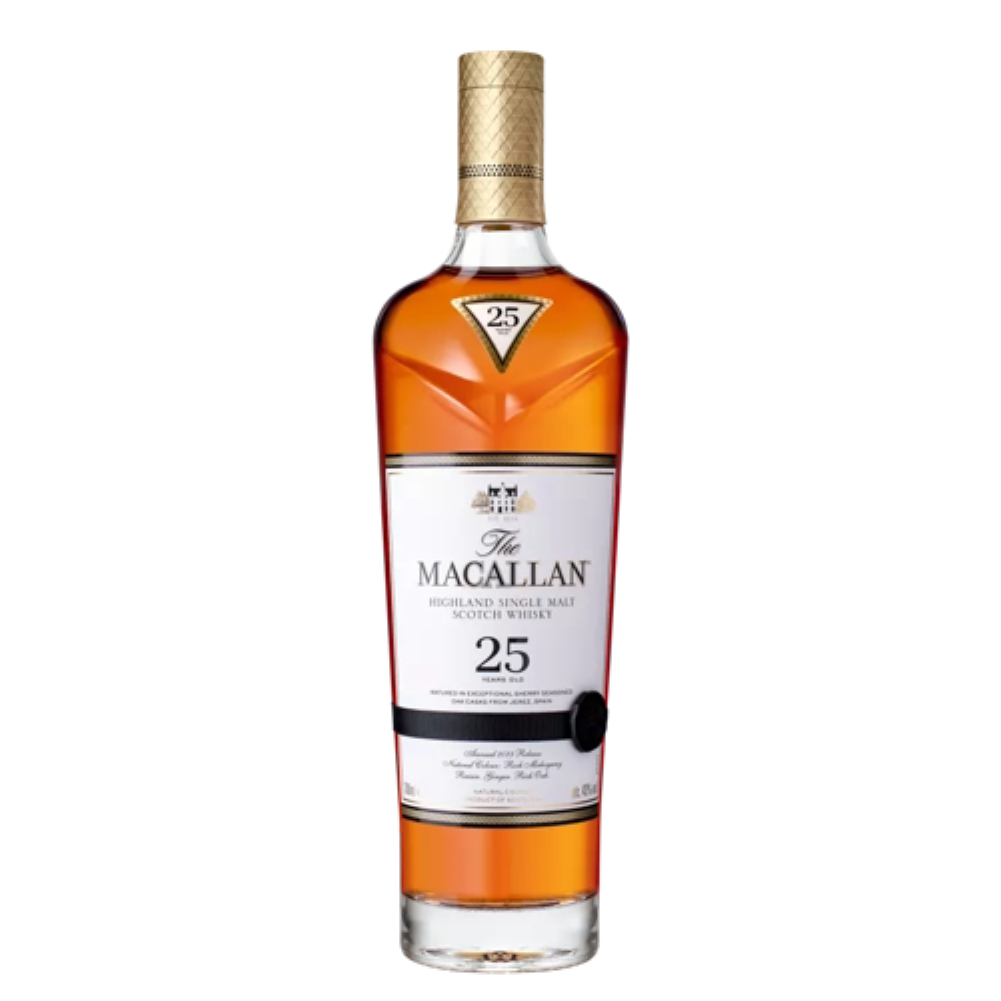
Macallan 25
DRC 09'
S&P 500
QQQ
Do Collectibles Really Beat the Market?
The Splurge Index chart compares:
Hermès Birkin 30
Rolex Daytona 116500LN
Macallan 25 Year Old
Romanée-Conti 2009
SPY
from 2016 to 2026.
The result is intentionally eclectic. We are putting a luxury bag, a watch, a bottle of whisky, a cult wine, and a broad U.S. equity benchmark on the same performance stage.
The point is not that they are economically identical. The point is that they are often discussed through the same language: appreciation, premiums, scarcity, returns, and “what if you had bought this instead?”
Why collectibles can rise so dramatically
H. Birkin 30
Daytona
Macallan 25
DRC 09'
S&P 500
QQQ
Hermès Birkin · 2016
~$15k→~$25k
Rolex Daytona · 2016
~$19k→~$32k
Macallan 25yr · 2016
~$963→~$2.2k
Romanée-Conti 09' · 2016
~$14k→~$23k
S&P 500 · 2016
~$185→~$734
QQQ · 2016
~$111→~$702
Collectibles often benefit from a cocktail of forces that public markets do not quite replicate:
Scarcity
Limited supply matters, especially when it cannot be quickly expanded. Hermès cannot suddenly flood the market with culturally equivalent Birkins without damaging the very thing that supports the premium. Mature whisky cannot be aged retroactively. Romanée-Conti cannot scale like a software company.
Status
Collectibles signal. That does not make the demand irrational. It makes the demand socially embedded. People pay for cultural meaning all the time.
Access friction
Difficulty can become part of desirability. Waitlists, allocations, production limits, and opaque buying processes all reinforce the idea that ownership itself is a victory.
Narrative
Discontinued watches, famous vintages, pandemic-era market manias, and category booms all help create price stories that buyers can repeat.
Why the market comparison is still necessary
Without SPY in the chart, collectibles can feel like they exist in a beautiful vacuum. With it, the conversation becomes more disciplined.
The S&P 500 is:
liquid,
diversified,
easy to price,
easy to enter and exit,
and tied to large public companies rather than individual objects.
A collectible may outperform SPY over a chosen period. That is interesting. It is not automatically a recommendation to replace equities with handbags and whisky.
The trade-offs are too large:
resale fees,
authentication,
storage,
condition risk,
thinner liquidity,
and limited standardization.
The market benchmark reminds us that returns are not the only thing investors are buying. They are also buying usability, scale, and exit options.
The problem with broad claims
Saying “collectibles beat the market” is like saying “restaurants beat groceries.” Which collectibles? Which market? Which years? At what entry price? With what transaction costs? At what sale venue?
A Birkin and a bottle of Pétrus do not behave alike. A Daytona and a Macallan 25 do not correct in the same way. Romanée-Conti does not trade like SPY, and it should not be judged as though it does.
This is why category-level bragging often fails under scrutiny. The interesting insights live at the asset level.
What the chart teaches better than a slogan
The chart shows at least three things:
1. Some collectibles have produced genuinely serious price histories.
They deserve analysis, not dismissal.
2. Their returns are usually tied to specific scarcity structures and cultural narratives.
They are not random.
3. The comparison with public markets becomes most useful when it remains intellectually honest.
Similar line charts do not mean similar assets.
The takeaway
Do collectibles really beat the market?
Sometimes. Some of them. Over certain windows. With important caveats.
That answer is less viral than a headline, but much more useful.
The Splurge Index exists because these comparisons are too interesting to ignore and too messy to oversimplify. A collectible does not need to replace the market to deserve a chart. It only needs to reveal something the market alone cannot.