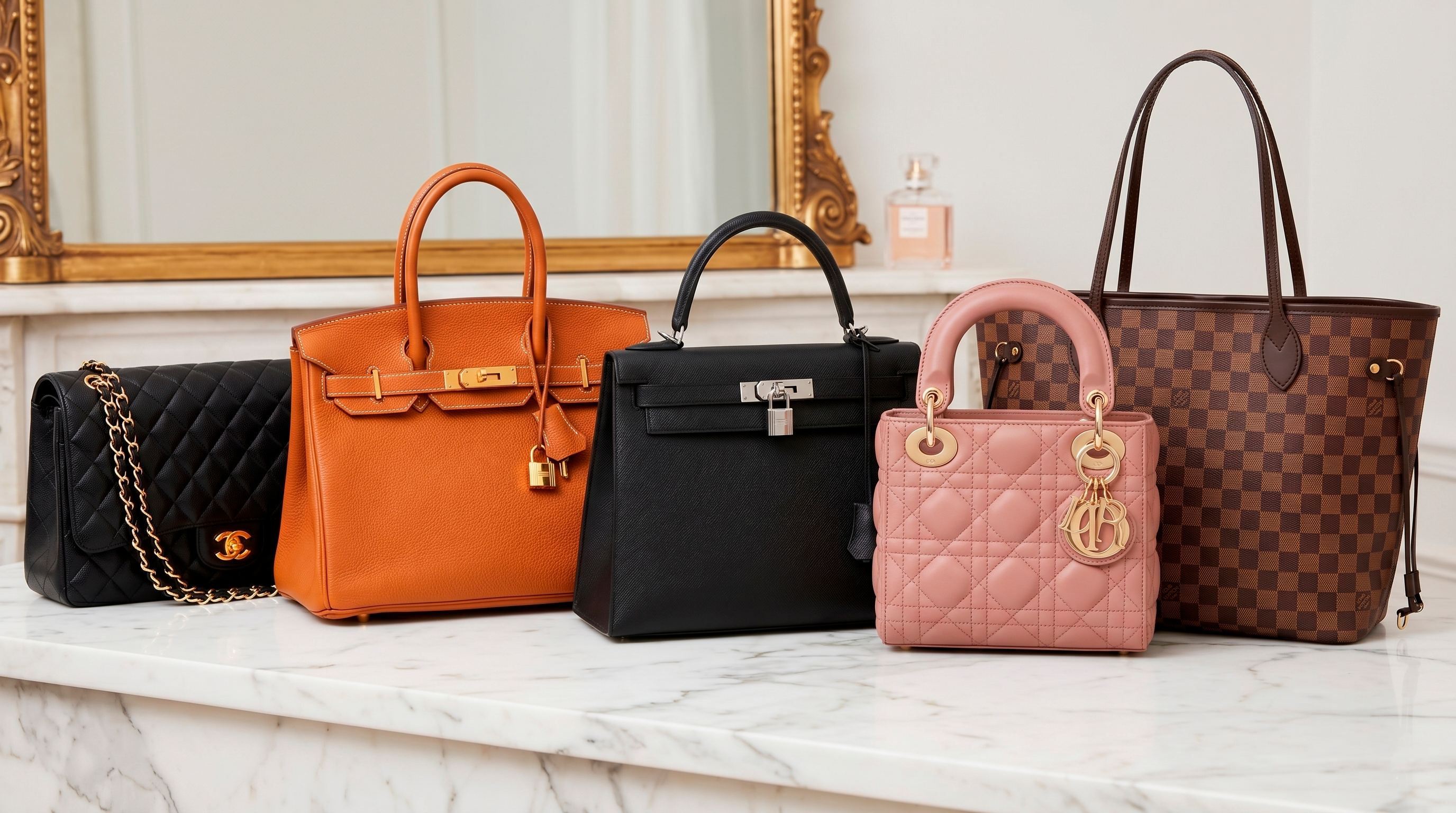
A luxury bag is supposed to be beautiful, desirable, maybe a little unreasonable. A financial asset is not usually part of the brief.
And yet, over the last decade, a few handbags have made that conversation difficult to avoid. Hermès Birkins and Kellys can command serious secondary-market premiums. Chanel has pushed the Classic Flap into an entirely different price bracket. Even the Louis Vuitton Neverfull, long seen as a more accessible luxury staple, has developed a resale story worth paying attention to.
So, are luxury bags actually good investments?
The honest answer is: some have shown remarkable resale-price growth. That does not make every bag an investment, or a handbag equivalent to a stock, bond, or index fund. But the data is interesting enough that the question deserves a real answer.
What the chart shows
The chart above compares five iconic luxury bags from 2013 to 2026:
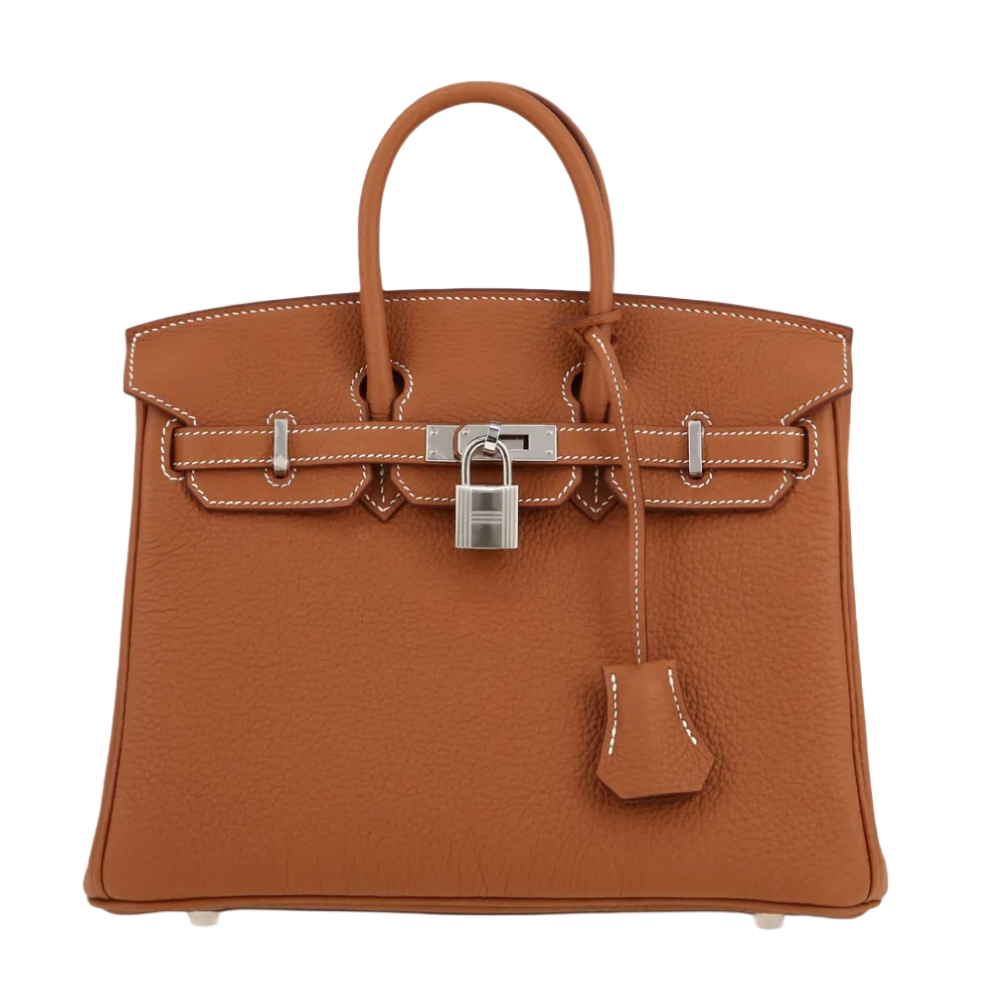
- Hermès Birkin 30
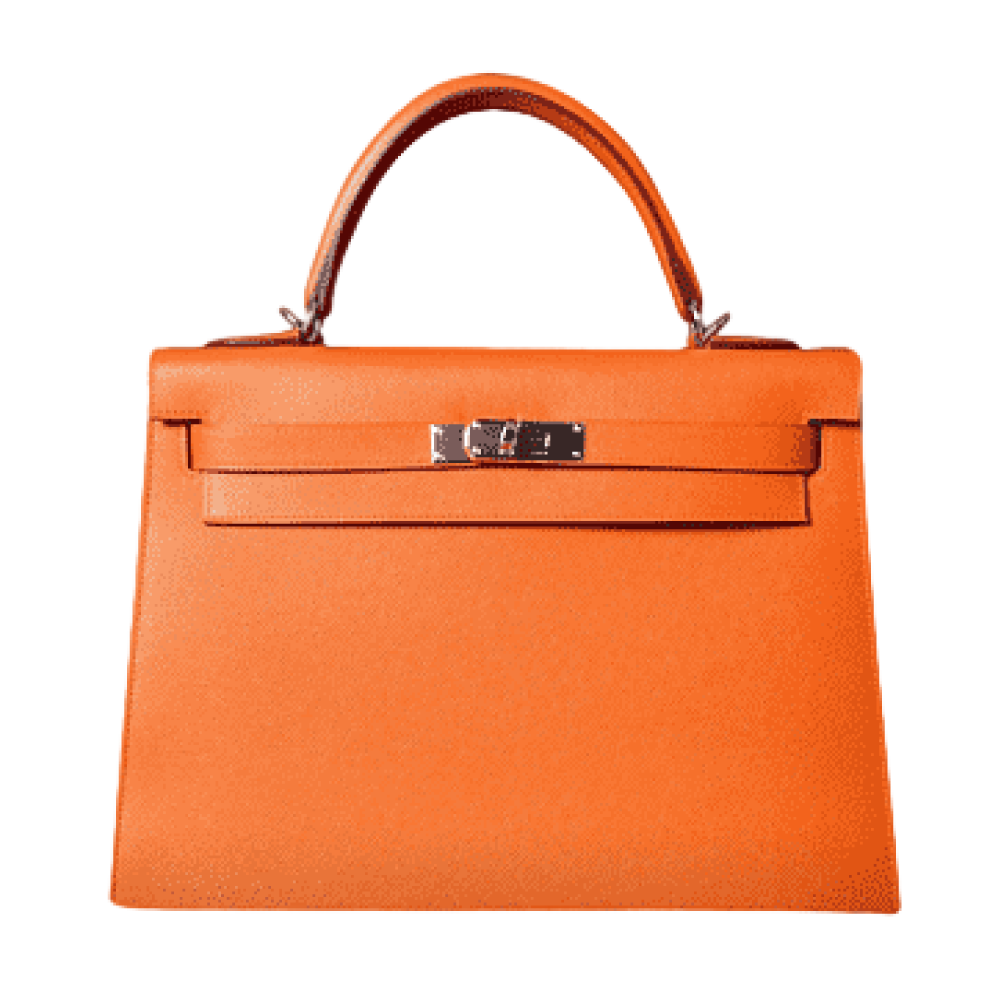
- Hermès Kelly 28
- Chanel Classic Flap Medium
- Louis Vuitton Neverfull MM
- Dior Lady Dior Medium
All five move meaningfully higher in estimated resale value over the period. Some rise dramatically.
The Birkin 30 goes from roughly $11,000 in 2013 to $25,000 in 2026. The Kelly 28 climbs from about $9,000 to $28,000. The Chanel Classic Flap Medium rises from just over $3,000 to nearly $9,700. The Lady Dior Medium more than doubles. And the Neverfull MM, the least expensive bag at the starting line, posts the steepest percentage move of the group.
That last point matters. The luxury-bag story is not only about the rarest objects becoming even harder to reach. It is also about brands repeatedly raising the floor on products that once felt comparatively accessible, and resale markets adjusting around that new reality.
Why this conversation exists at all
The phrase “investment bag” has been used for years, sometimes as a convenient way to justify an expensive purchase. But a few structural shifts made it more credible.
First, retail prices kept rising. Chanel is the clearest example: the Classic Flap has undergone repeated price increases, gradually pushing it into a much more elevated segment of the market. Resale prices do not mirror retail perfectly, but when a brand consistently resets the benchmark, buyers begin to reassess what the item is worth.
Second, the resale market became more visible and more sophisticated. Buyers can now track demand, secondary prices, auction results, and premiums far more easily than before. A Birkin or Kelly trading above retail is no longer niche gossip. It is observable market behavior.
Third, scarcity became part of the product itself. Hermès does not simply place Birkins and Kellys on shelves like standard inventory. Access is controlled, supply is limited, and demand regularly outruns availability. That imbalance is central to their value story.
The strongest stories in the chart
Hermès: scarcity that compounds
The Birkin and Kelly dominate the “investment bag” conversation for a reason. Their resale strength is tied to a tightly managed ecosystem: controlled supply, difficult access, exceptional craftsmanship, and cultural prestige that has held for decades.
In this series, both rise substantially, with the Kelly 28 ending above the Birkin 30. That does not mean the Kelly always beats the Birkin. Size, leather, color, hardware, condition, and timing matter enormously. But it does show that Hermès resale strength is not a one-bag phenomenon.
Chanel: price repositioning in plain sight
The Classic Flap Medium tells a different story. Chanel’s strength here is not boutique scarcity in the Hermès sense. It is deliberate price repositioning.
Over the last decade, the Classic Flap moved from “classic luxury handbag” toward “serious luxury purchase,” with resale values rising alongside that shift. The chart captures a bag whose market identity changed materially over time.
That distinction matters. Some resale appreciation reflects external demand. Some reflects the brand itself steadily moving the price anchor higher.
Neverfull: ubiquity did not kill the value story
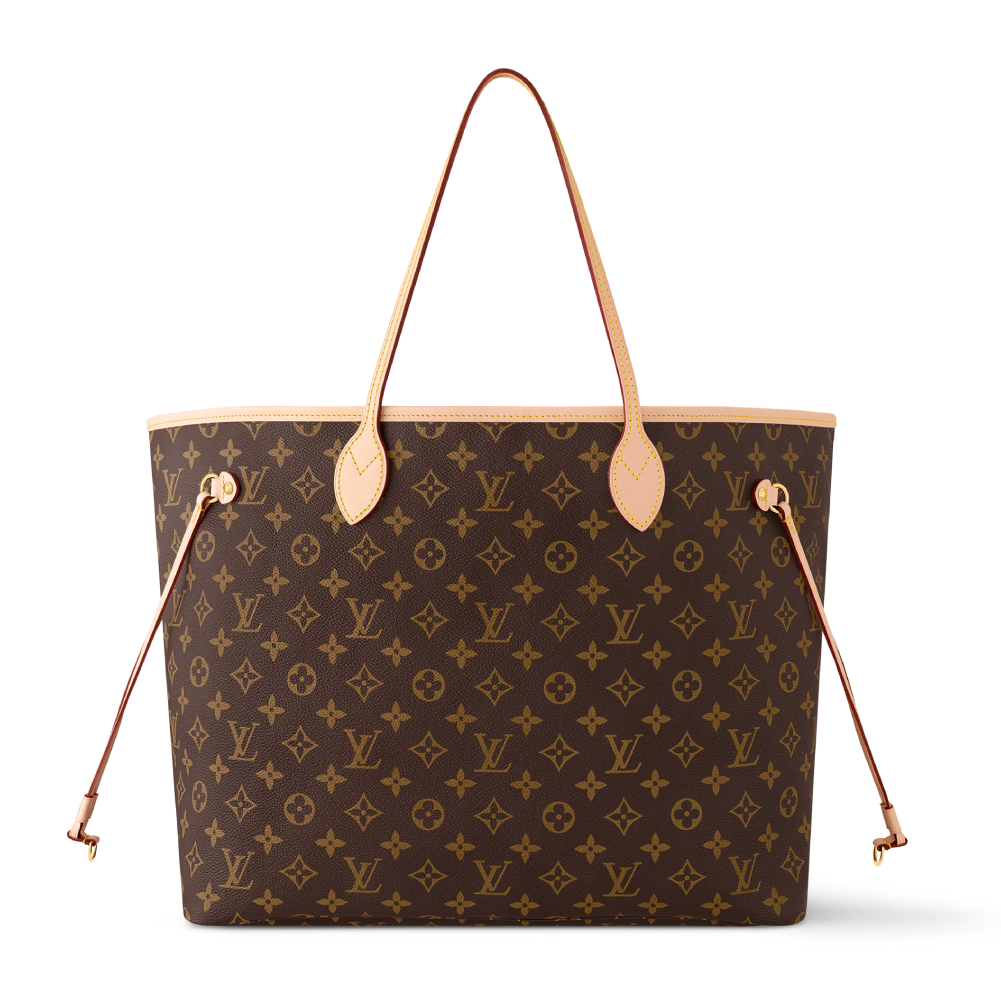
The Louis Vuitton Neverfull MM is the most surprising curve in the group. It is widely recognized, widely owned, and has never relied on the same exclusivity mythology as a Birkin or Kelly.
Yet its estimated resale price climbs from $735 in 2013 to more than $3,400 by 2026.
The lesson is not that every visible, popular bag becomes a winner. It is that cultural familiarity can create its own kind of durability, especially when retail prices rise and the product becomes firmly embedded in the luxury canon.
Lady Dior: prestige, but a calmer curve
The Lady Dior Medium also gains substantially, moving from around $1,650 to roughly $3,700. It remains one of the most important handbags in modern luxury, but its resale curve is gentler than the strongest performers above.
That is a useful reminder: prestige and price appreciation overlap, but they are not the same thing. A bag can be deeply iconic without turning into a secondary-market rocket.
So, are luxury bags good investments?
If the question is “Have some luxury bags appreciated meaningfully in resale value?” then yes. Clearly.
If the question is “Should luxury bags be treated like conventional financial investments?” the answer becomes much more cautious.
A bag is not as liquid as a public stock. Selling it can involve fees, authentication, shipping, negotiation, and time. Condition matters. Color matters. Hardware matters. The difference between pristine and merely excellent can materially change resale value.
There is also no single live market price for a handbag. These figures are estimates based on available market information, not continuously quoted exchange prices. They are useful for comparison. They are not identical to stock-market data.
And then there is the obvious part: you cannot wear an index fund, but you also cannot build a diversified portfolio by buying one handbag. Luxury goods carry emotional value, aesthetic value, social value, and sometimes resale value. Those can coexist. They should not be confused.
The better way to think about it
Luxury bags become most interesting when we stop forcing them into a simple binary of “fashion purchase” or “investment.” The strongest icons now occupy a third space: cultural goods with measurable market behavior.
They can appreciate. They can hold value unusually well. They can respond to scarcity, pricing strategy, and shifts in buyer psychology. Over certain windows, they can even produce returns that make more conventional assets look surprisingly dull.
But they remain luxury goods. Their price performance can be real while their comparability stays imperfect.
That tension is exactly why they are worth charting.
The takeaway
Luxury bags are not automatically good investments. But a handful of icons have become impossible to discuss as mere purchases.
From 2013 to 2026, the five bags in this chart all show substantial resale-price growth. Hermès proves the power of controlled scarcity. Chanel shows what relentless price repositioning can do. Louis Vuitton demonstrates that ubiquity and value retention are not always enemies. Dior reminds us that enduring prestige does not need to come with the wildest curve.
The real answer is not “buy bags instead of stocks.” It is more interesting than that:
Some luxury bags have behaved like serious price assets. Whether that makes them investments depends on what you expect an investment to do.