Rolex did not suddenly become desirable in 2020. What changed was a collision of supply, pandemic spending, and speculation.
Rolex did not become cool in 2020. That would be absurd.
What happened in 2020 and 2021 was different: a market that already understood Rolex suddenly began pricing its desirability with far less restraint. The result was one of the clearest luxury run-ups of the decade — and one of the most visible cool-downs afterward.
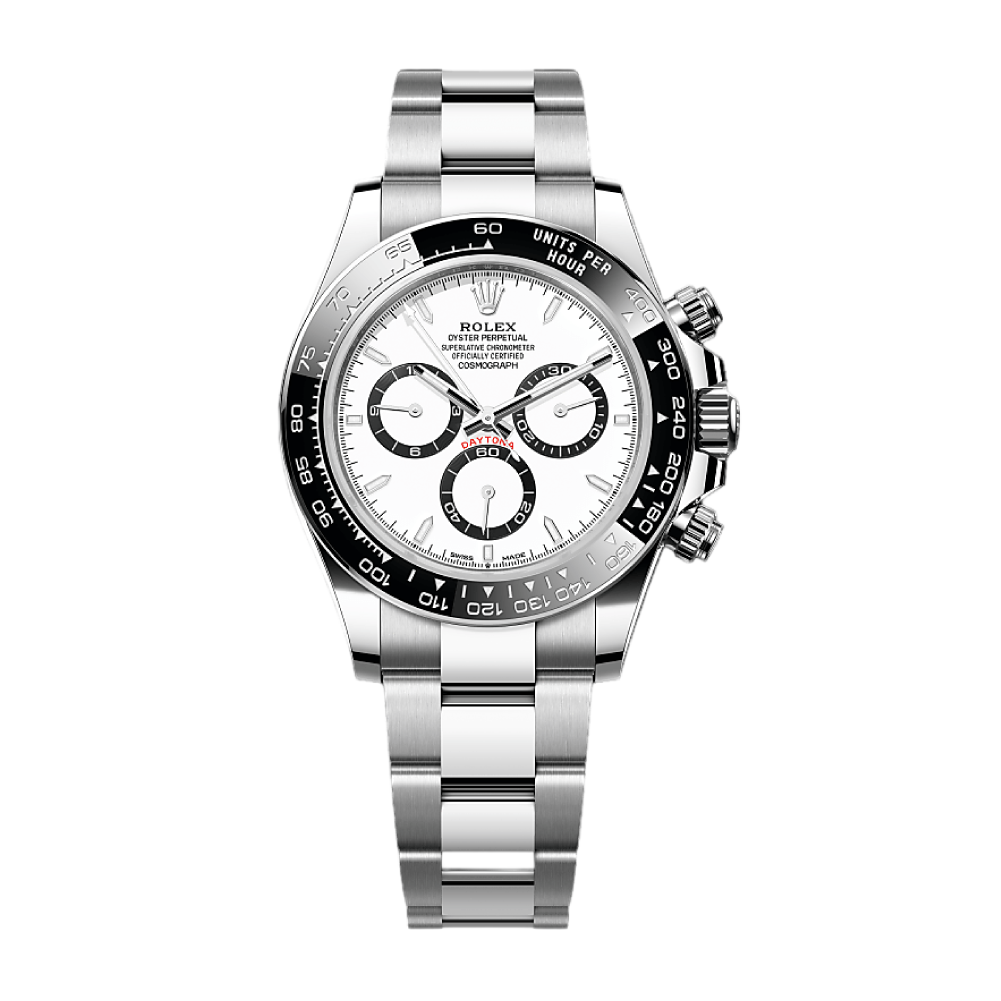
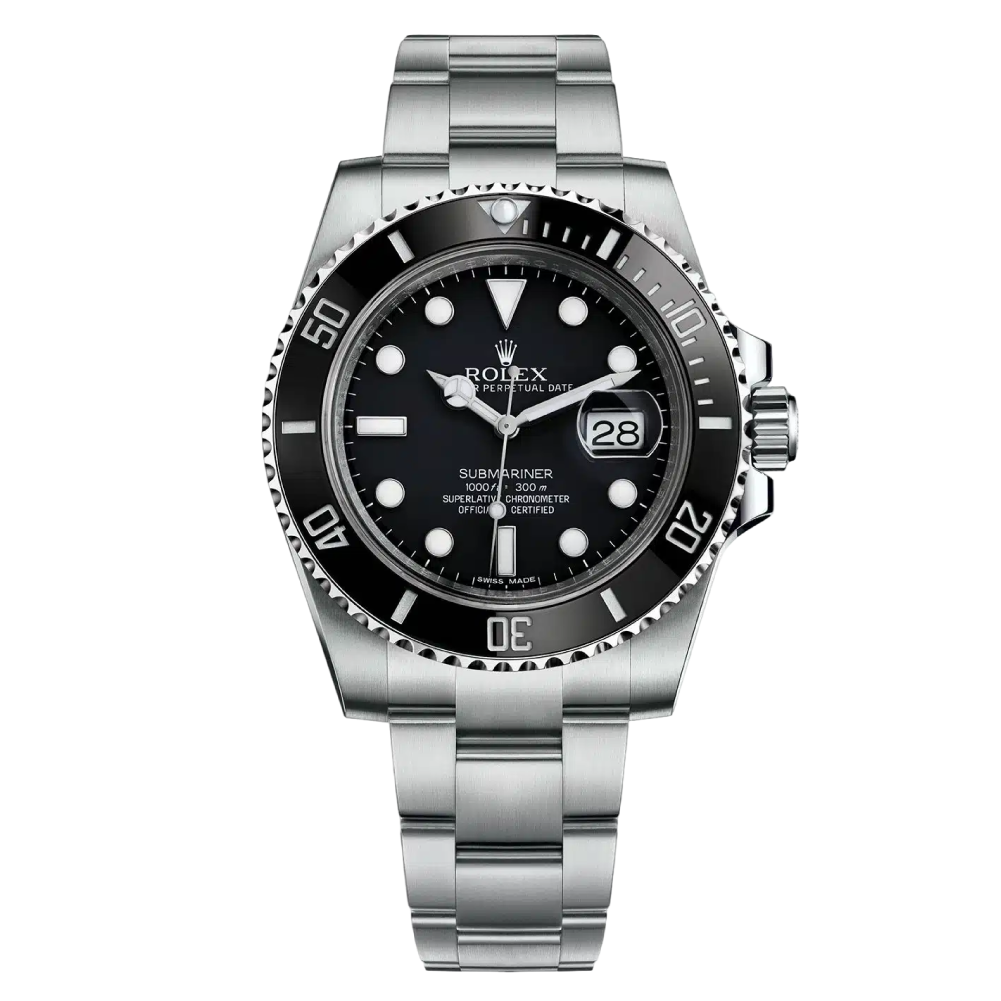
The Daytona 116500LN and Submariner 116610LN tell that story in different accents.
What the chart shows
Daytona
Submariner
S&P 500
Why Rolex Prices Took Off and Why They Cooled
The Splurge Index chart compares:
Rolex Daytona 116500LN
Rolex Submariner 116610LN
SPY
over the 2020–2026 period.
The Daytona displays the more extreme arc: a sharper surge into the market peak and a more noticeable retracement afterward. The Submariner also rises, but with a steadier, less theatrical curve. SPY provides a benchmark for what a broad equity market was doing while the watch market entered its own mania.
That distinction matters. Not every Rolex behaved identically. The market was overheated, but it was not flatly irrational across every reference.
Why prices rose so quickly
Daytona
Submariner
S&P 500
Rolex Daytona · 2021
~$37k→~$32k
Rolex Submariner · 2021
~$14k→~$13k
S&P 500 · 2021
~$402→~$734
Several forces stacked on top of one another.
1. Scarcity was already built in
Rolex demand had exceeded boutique supply for many desirable sports models long before the pandemic. Waitlists, purchase histories, and dealer relationships were already part of the customer experience.
2. The pandemic shifted spending
Luxury watches benefited from a period when travel and some services were restricted, but spending power in certain segments remained strong. Collectibles, hard luxury, and trophy purchases became more attractive.
3. Social proof intensified
Instagram, YouTube, watch media, and resale platforms made pricing visible and comparison constant. A secondary-market premium no longer felt like a private whisper. It became a scoreboard.
4. Low-rate speculation helped
In a wider environment where many asset prices rose and risk appetite expanded, watches began to attract a more openly financial language. Some buyers still wanted the watch. Others wanted the chart.
Why the Daytona and Submariner behaved differently
The Daytona is the more speculative object. It has stronger mythology, tighter cultural heat, and a resale story that was already unusually charged. When the market got excited, it had more room to become irrational.
The Submariner is iconic too, but it plays a different role. It is more foundational than feverish. It still benefited from the market surge, but its desirability is broader and less dependent on one hyper-charged narrative.
That helps explain why the Daytona’s curve feels like a mania story, while the Submariner’s feels more like premium inflation with a pulse.
Why prices cooled
A cooling watch market does not mean Rolex stopped mattering. It means the market became less willing to pay peak-frenzy premiums.
Several things contributed:
risk appetite normalized,
speculative behavior eased,
buyers became more price-sensitive,
and broader luxury resale markets corrected from post-pandemic highs.
Public reporting on luxury-watch indices has shown meaningful declines from the 2022 peak. That context fits the chart. The cooldown was not imaginary. It was market-wide enough to matter.
“Cooling” is not the same as “collapse”
This is worth saying clearly.
A watch that drops from an inflated secondary-market peak is not automatically “dead.” In many cases, it remains well above earlier historical levels. The Daytona and Submariner are still globally recognized, desirable watches. What disappeared was not the brand. It was the assumption that every desirable model could appreciate at emergency speed forever.
That is a healthier conclusion than either extreme:
not “Rolex is over,”
not “Rolex always goes up.”
The truth is more useful.
The takeaway
Rolex prices took off because scarcity, cultural obsession, market visibility, and speculative timing all lined up. They cooled because no premium expands forever without resistance.
The Daytona is the cleaner mania curve. The Submariner is the steadier counterpoint. SPY is there to remind us that traditional markets were moving too — just under a different set of rules.
If the chart feels dramatic, that is because the period was dramatic.