Why Chanels Classic Flap Became One of Luxurys Most Aggressively Priced Bags
The Classic Flap did not simply get more expensive. Chanel spent years deliberately repositioning the bag upward.
Some luxury bags become expensive because the market chases them. Others become expensive because the brand keeps moving the goalposts.
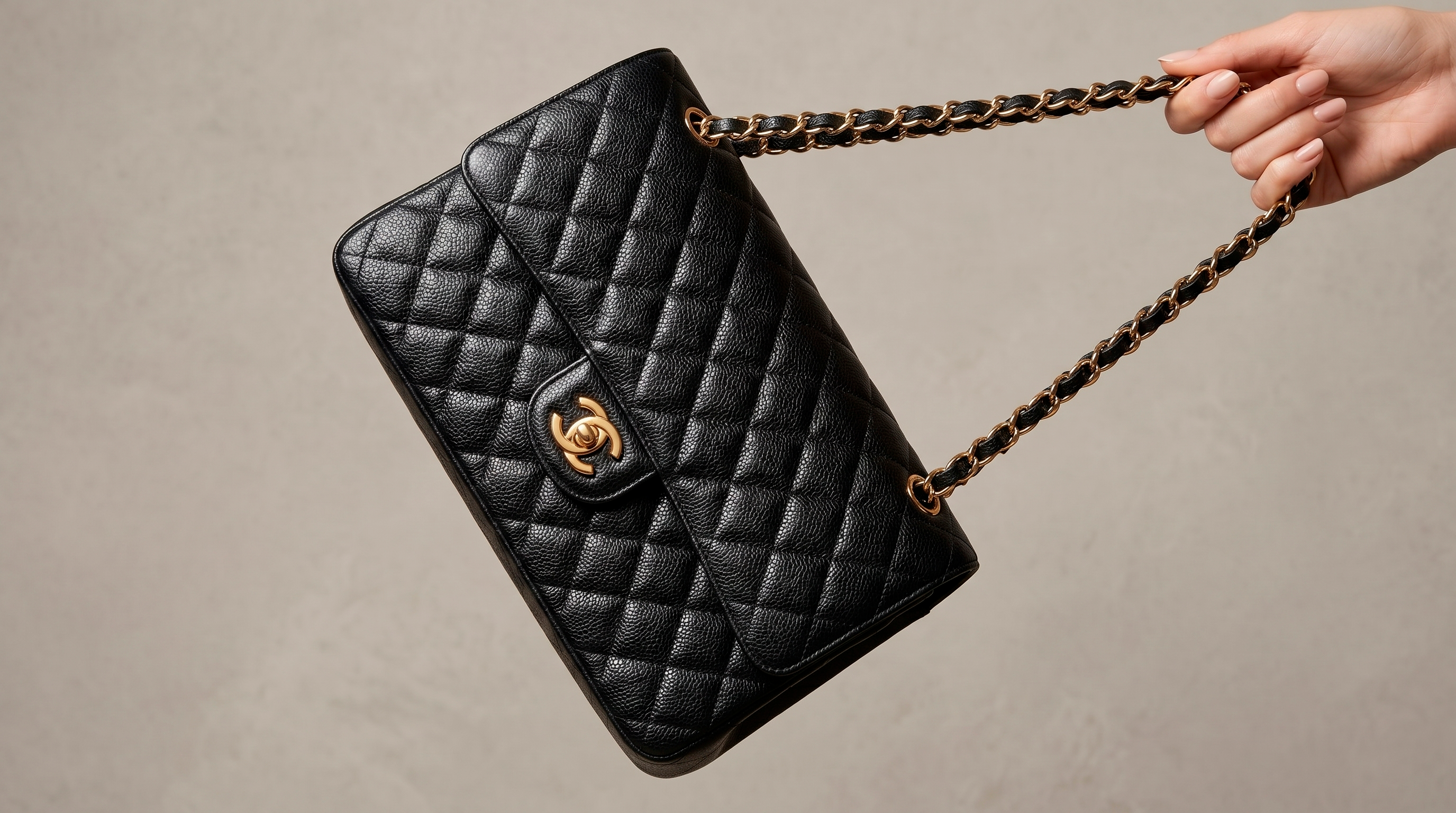
The Chanel Classic Flap Medium is one of the clearest examples of the second story. Over the last decade, Chanel repeatedly raised retail prices, pushing the bag into a much more elevated bracket and forcing both aspirational buyers and the resale market to recalibrate.
The result is not just a pricier handbag. It is a product whose entire market identity changed.
What the chart shows
Chanel Flap
H. Birkin 30
S&P 500
Why Chanels Classic Flap Became One of Luxurys Most Aggressively Priced Bags
The Splurge Index chart frames the Chanel Classic Flap Medium against the Hermès Birkin 30 and SPY from 2013 to 2026.
In the resale series used here, the Classic Flap rises from just above $3,000 to nearly $9,700. That is more than a luxury accessory becoming a little more valuable. It is a full repositioning.
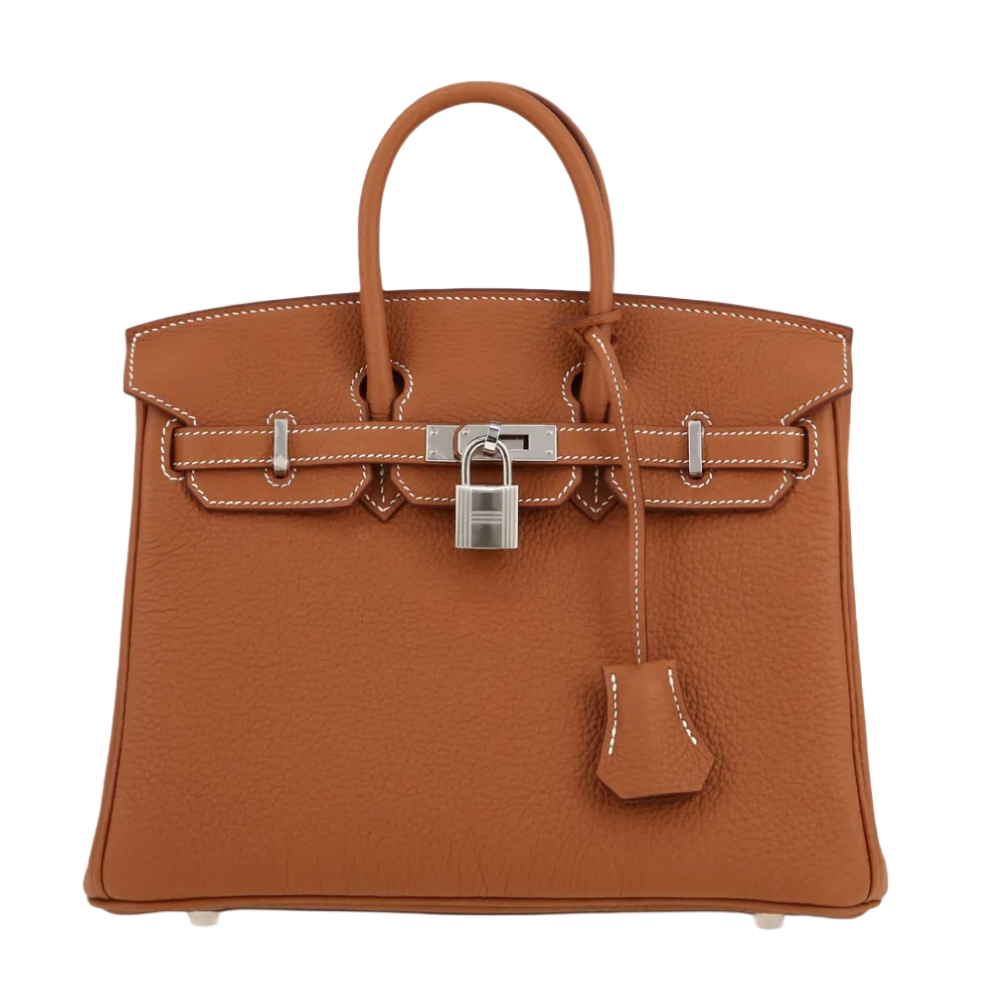
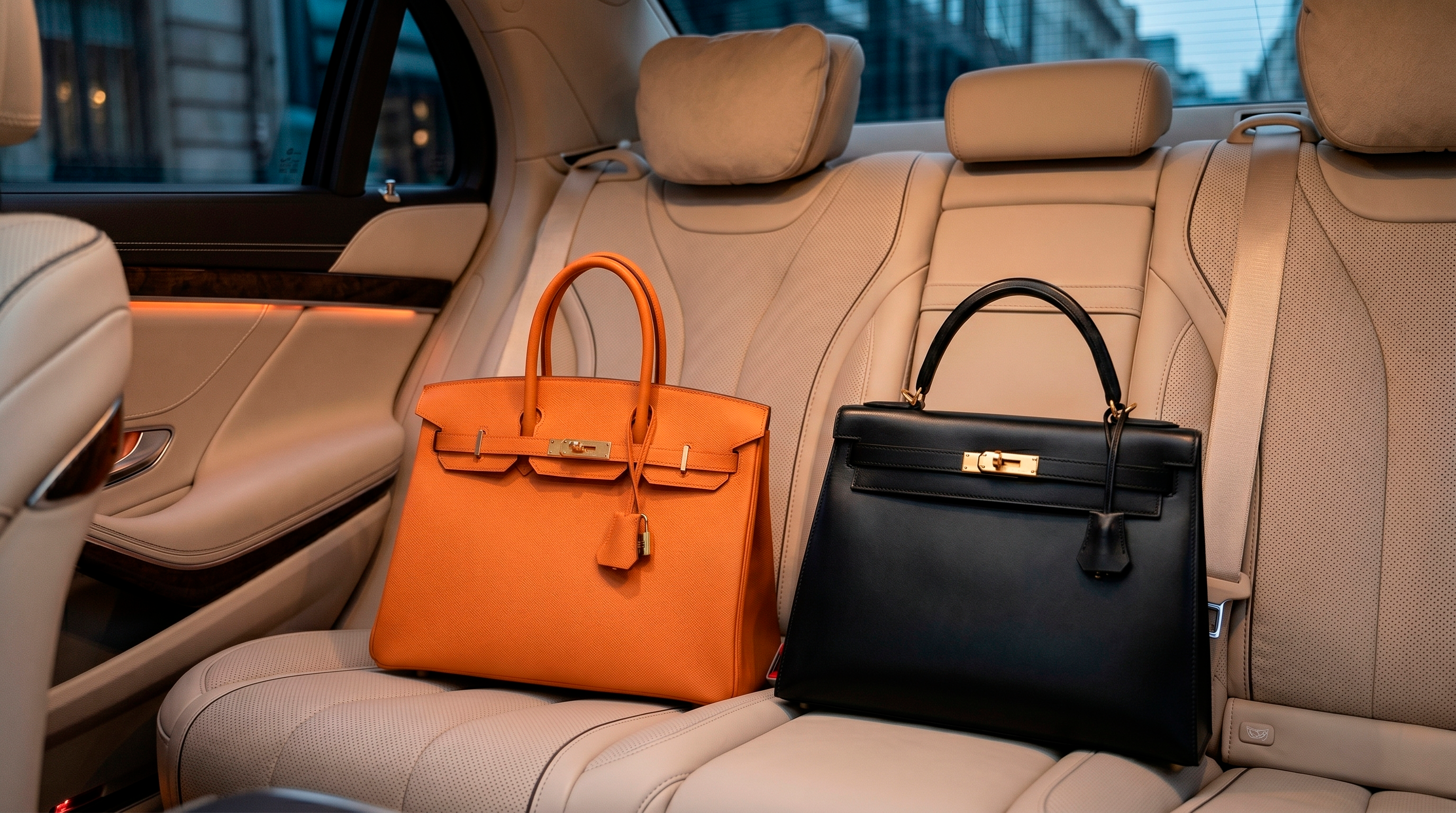
The Birkin provides a useful scarcity benchmark. SPY provides a public-market one. Chanel lands somewhere in between as a case study in what happens when brand pricing itself becomes a market force.
Chanel’s real strategy: make yesterday feel cheap
Chanel Flap
H. Birkin 30
S&P 500
Chanel Classic Flap · 2013
~$3.0k→~$9.7k
Hermès Birkin · 2013
~$11k→~$25k
S&P 500 · 2013
~$119→~$734
Sotheby’s has tracked how dramatically Chanel prices have moved, noting that the Medium Classic Flap more than doubled in retail price from 2016 to 2025. The exact figures matter less than the pattern: price increases became part of the Chanel story.
That has several effects:
New buyers feel urgency because waiting may mean paying more later.
Existing owners mentally revalue what they already own.
Resale sellers can anchor their expectations higher.
The product shifts from “classic luxury purchase” toward “near-Hermès seriousness” in price perception.
Not every resale market follows retail hikes proportionally. But constant retail escalation changes the frame around the object.
Why the Classic Flap is not the Birkin
The Classic Flap’s value story is not built on the same access mechanics as Hermès. A Chanel boutique purchase can be expensive and competitive, but it is not typically governed by the same quota-bag mythology.
That difference matters. The Birkin’s resale strength is closely tied to controlled supply and unequal access. Chanel’s comes more from a combination of:
iconic status,
brand-led retail price inflation,
continuing global demand,
and a durable belief that the Classic Flap is one of the “safe” luxury bags.
In other words, Hermès often feels scarce before price enters the conversation. Chanel increasingly makes price itself part of the aura.
What the resale curve says
The chart does not just show growth. It shows brand power being translated into market memory.
Once buyers internalize that a bag has gone from around $5,000 to above $10,000 at retail over a relatively short period, the old price stops functioning as the mental baseline. Even pre-owned examples begin to be discussed against a newer, higher anchor.
That does not guarantee uninterrupted resale appreciation. Luxury resale markets cool. Consumer sentiment changes. A brand can overshoot. But Chanel’s Classic Flap is one of the best examples of a luxury company actively reshaping how its icon is valued.
The caveat: retail price and resale value are cousins, not twins
A retail increase does not automatically create equal resale upside. If the market thinks a product has become overextended, resale values can flatten or trail retail. If demand softens, the new boutique price may make older bags feel expensive rather than attractively underpriced.
That is why the Classic Flap chart is interesting. It does not merely reproduce Chanel’s retail hikes. It shows the resale market absorbing a meaningful portion of that repricing over time.
The takeaway
The Classic Flap became one of luxury’s most aggressively priced bags because Chanel kept making a strategic choice: the icon should cost more, and more, and more.
The resale market did not ignore that message.
From 2013 to 2026, the bag’s estimated resale value rises sharply, placing it firmly in the conversation about luxury assets with measurable market behavior. It may not share the Birkin’s scarcity mechanics. It does not need to. Chanel built a different engine.