Mass visibility does not always kill desirability, especially when retail prices keep climbing.
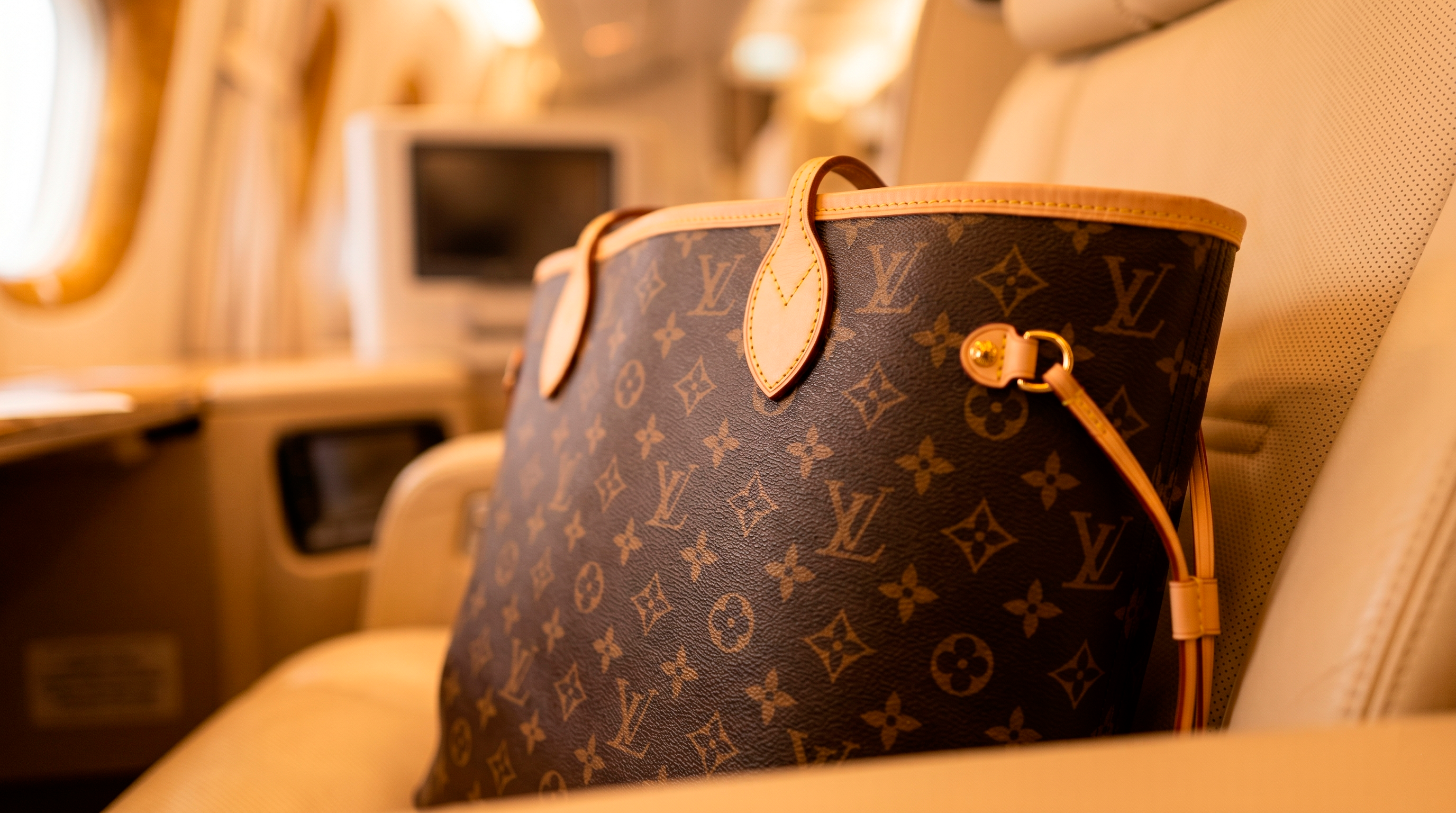
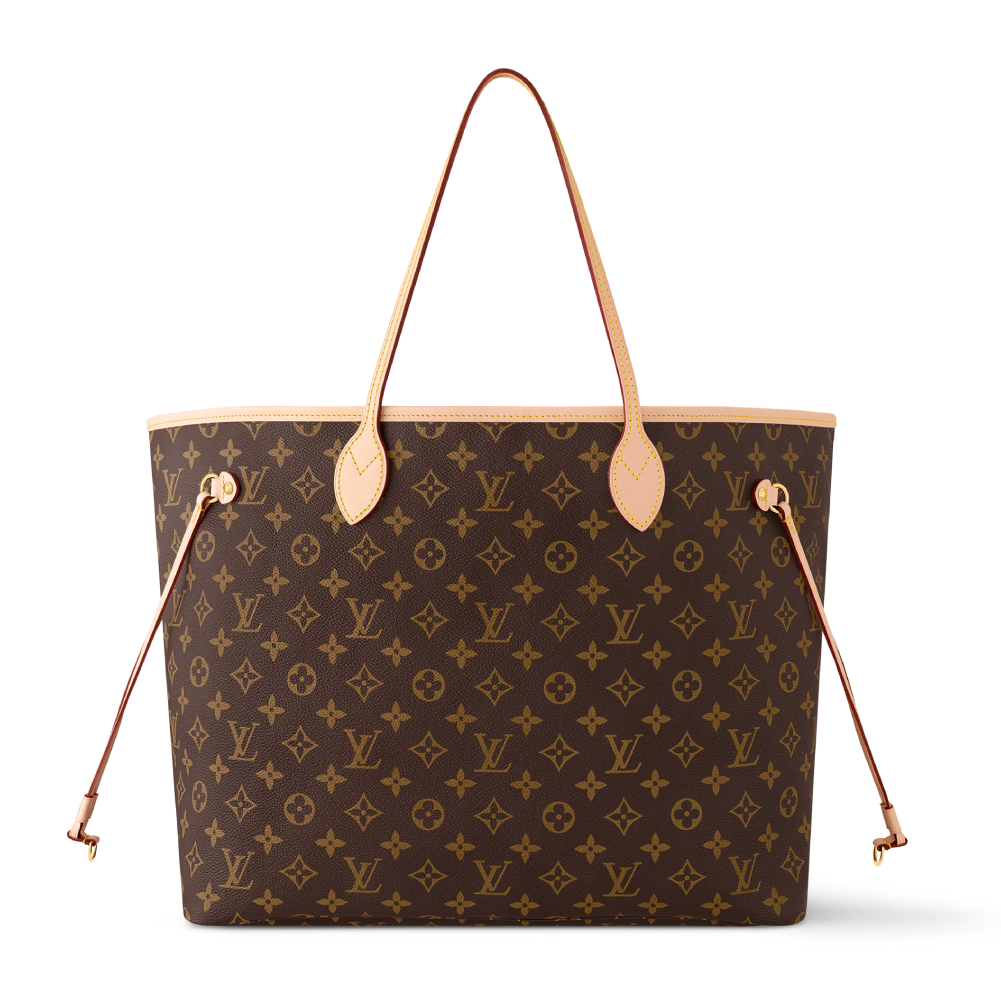
The Louis Vuitton Neverfull MM has spent years being underestimated.
It is recognizable. It is widely owned. It has been called practical, overexposed, entry-level, and occasionally all three before lunch. In most luxury conversations, those labels do not usually lead to a strong resale narrative.
And yet the Neverfull’s price story is much more serious than its everyday familiarity suggests.
What the chart shows
LV Neverfull
Lady Dior
S&P 500
The Neverfull Was Never Just an Entry-Level Bag
The Splurge Index chart compares the Neverfull MM, the Dior Lady Dior Medium, and SPY from 2013 to 2026.
In the resale series used here, the Neverfull moves from $735 in 2013 to more than $3,400 by 2026. That is an extraordinary percentage increase from a relatively low luxury starting point.
The Lady Dior provides a useful contrast: more overtly prestige-coded, more formal, more ceremonious. SPY provides a broad market benchmark. The Neverfull sits between them as the curve that makes people blink.
Visibility can become durability
LV Neverfull
Lady Dior
S&P 500
Louis Vuitton Neverfull · 2013
~$735→~$3.4k
Dior Lady Dior · 2014
~$3.4k→~$8.1k
S&P 500 · 2013
~$119→~$734
Luxury often romanticizes rarity. The Neverfull proves that recognition can be powerful too.
A product does not need to feel obscure to remain desirable. In fact, for some buyers, the opposite is true. The Neverfull’s silhouette is instantly legible. Its monogram version is embedded in the visual language of modern luxury. It has become less a seasonal bag than a reference point.
That kind of cultural permanence matters. It creates a product people understand before they research it, which can support demand even as the price rises.
Retail increases changed the frame
The Neverfull also benefits from a familiar luxury mechanism: the retail price floor moved upward.
As Louis Vuitton increased prices over time, older Neverfulls began to sit in a different context. A pre-owned bag that once felt close to boutique pricing could become more attractive as a lower-cost entry into a product whose new retail price kept climbing.
This is not unique to Vuitton. But it is particularly visible in a bag that has such strong name recognition and such a clear price history.
Why the Neverfull is different from Lady Dior
The Lady Dior Medium is iconic in a more polished, heritage-heavy way. Its resale value rises meaningfully in the series, but the curve is calmer than the Neverfull’s.
That does not make the Lady Dior less important. It makes the comparison more useful. Prestige alone does not decide resale outcomes. Pricing, demand breadth, cultural familiarity, and entry-point psychology all matter.
The Neverfull benefits from being both luxury and legible. It is not trying to be a collector’s secret. It is a bag millions of people can identify immediately — and that broad recognition turned out to be a strength.
Does that make it an investment?
Cautiously: it makes it investment-adjacent enough to analyze.
The resale growth is real in the dataset. But a Neverfull is still a consumer good. Condition, wear, interior marks, odor, heat-stamped initials, and included accessories all affect resale outcomes. Selling a bag is not the same as selling a share of an ETF.
What the Neverfull proves is narrower and more interesting: accessible luxury can still produce a strong resale narrative when the object becomes culturally permanent and the retail benchmark keeps rising.
The takeaway
The Neverfull was never just an entry-level bag. It was a mass-recognized luxury staple with a price story hiding in plain sight.
From 2013 to 2026, its resale-value curve turns a familiar tote into one of the more surprising charts in the luxury-bag category. The bag may not have Hermès scarcity or Chanel’s upward price theater. It has something else: staying power at scale.