What Happened to Yamazaki 12? The Rise and Cooldown of Japanese Whisky
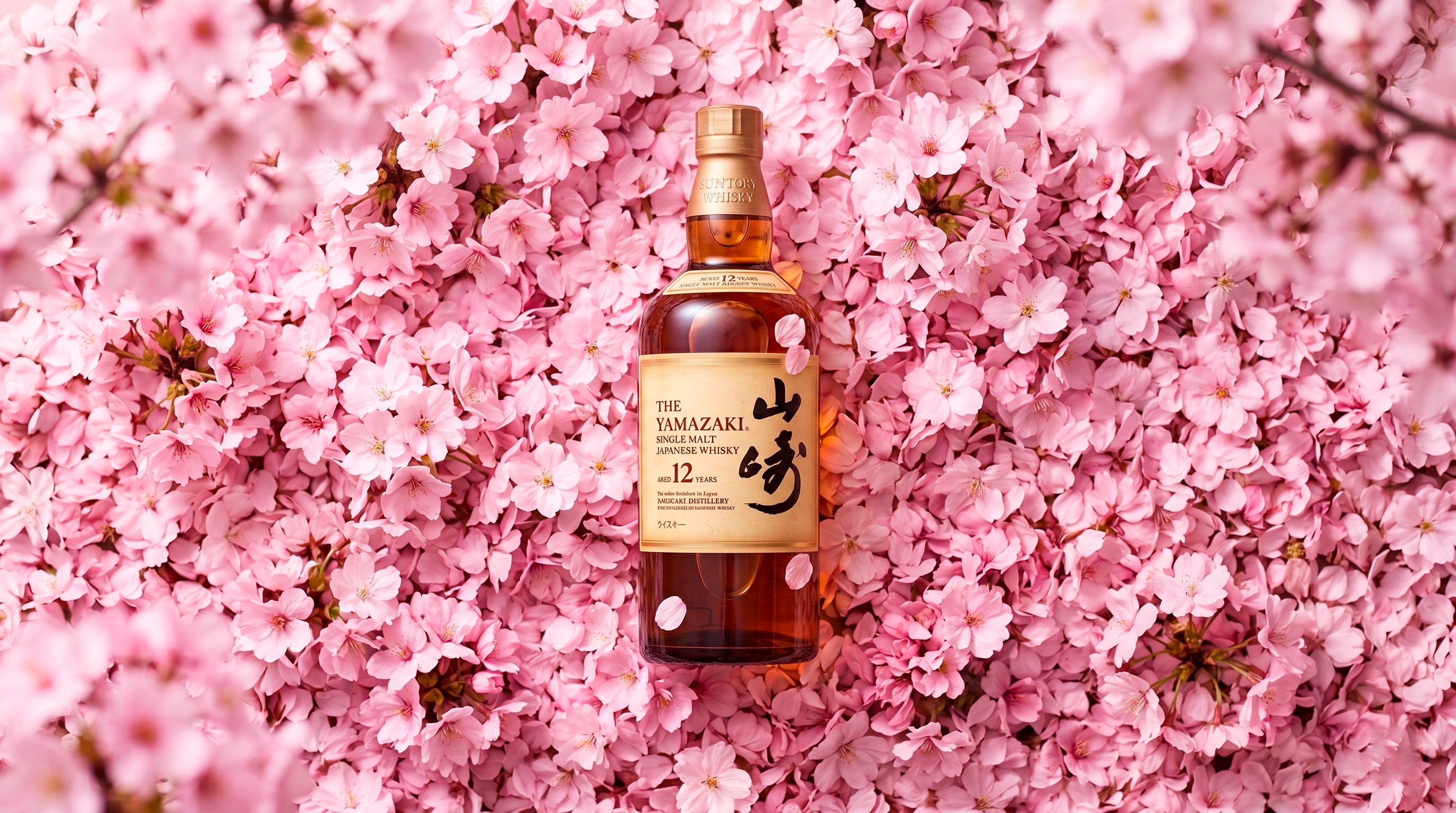
Yamazaki 12 rode one of the most fascinating premium-spirits narratives of the last decade.
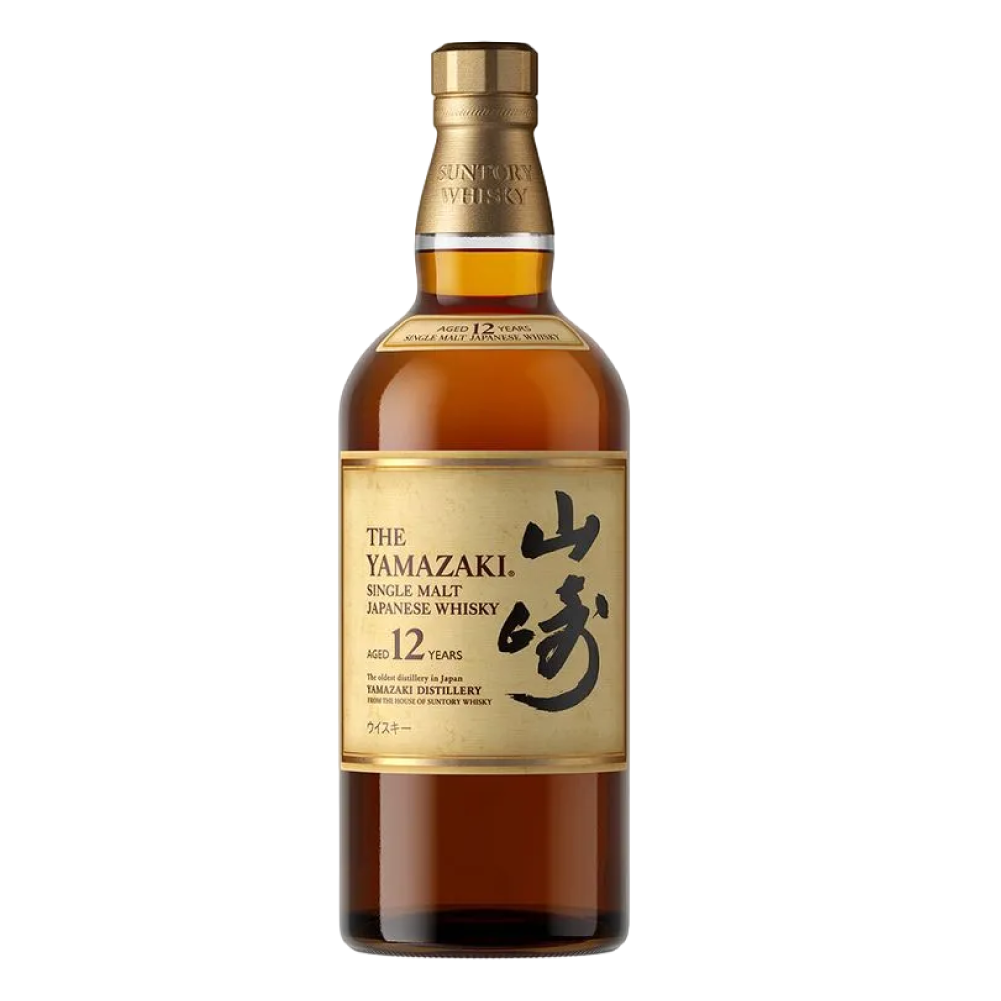
The Yamazaki 12 Year Old did not become famous because someone discovered whisky in 2015. It became famous because Japanese whisky moved from a connoisseur obsession to a global demand story — and supply was not ready for the attention.
That is why its price history is so compelling. It is not just a bottle curve. It is a category curve.
What the chart shows
Yamazaki 12
Macallan 18
S&P 500
What Happened to Yamazaki 12? The Rise and Cooldown of Japanese Whisky
The Splurge Index chart compares:
Yamazaki 12 Year Old
Macallan 18 Year Old
SPY
from 2016 to 2026.
Yamazaki 12 shows a choppy but clear appreciation story through the late 2010s and early 2020s, followed by a more uneven period later on. Macallan 18 provides a premium Scotch comparison. SPY provides a market benchmark.
The result is useful because Yamazaki does not simply move like Macallan, nor does it behave like equities. Its curve reflects a specific moment in global taste.
Why Japanese whisky surged
Yamazaki 12
Macallan 18
S&P 500
Yamazaki 12yr · 2016
~$105→~$118
Macallan 18yr · 2016
~$266→~$399
S&P 500 · 2016
~$185→~$734
Japanese whisky’s rise was years in the making. International awards, increasingly sophisticated global distribution, and a growing appreciation for Japanese craft all helped. But the major economic fact was simpler: demand rose faster than aged inventory could respond.
Whisky cannot be rushed. A 12-year-old expression requires stock laid down long before the demand spike arrives. When the category catches fire, distillers cannot instantly multiply mature inventory.
That imbalance created:
shortages,
discontinuations or allocation pressure elsewhere in the category,
rising shelf prices,
and stronger resale interest around recognizable bottles.
Yamazaki 12 became one of the bottles people could name even if they were not deeply inside the whisky world.
Why the price story became less linear
The chart’s later behavior is just as important as the rise.
Once a product becomes globally known, the first shock of scarcity can fade. Buyers become more price-sensitive. Supply planning begins to catch up. Hype moves elsewhere. The wider spirits market cools. And bottles that once seemed to move only upward begin to behave more normally.
That does not erase Yamazaki 12’s significance. It makes the story more credible. A market that never cools is usually a slogan, not a market.
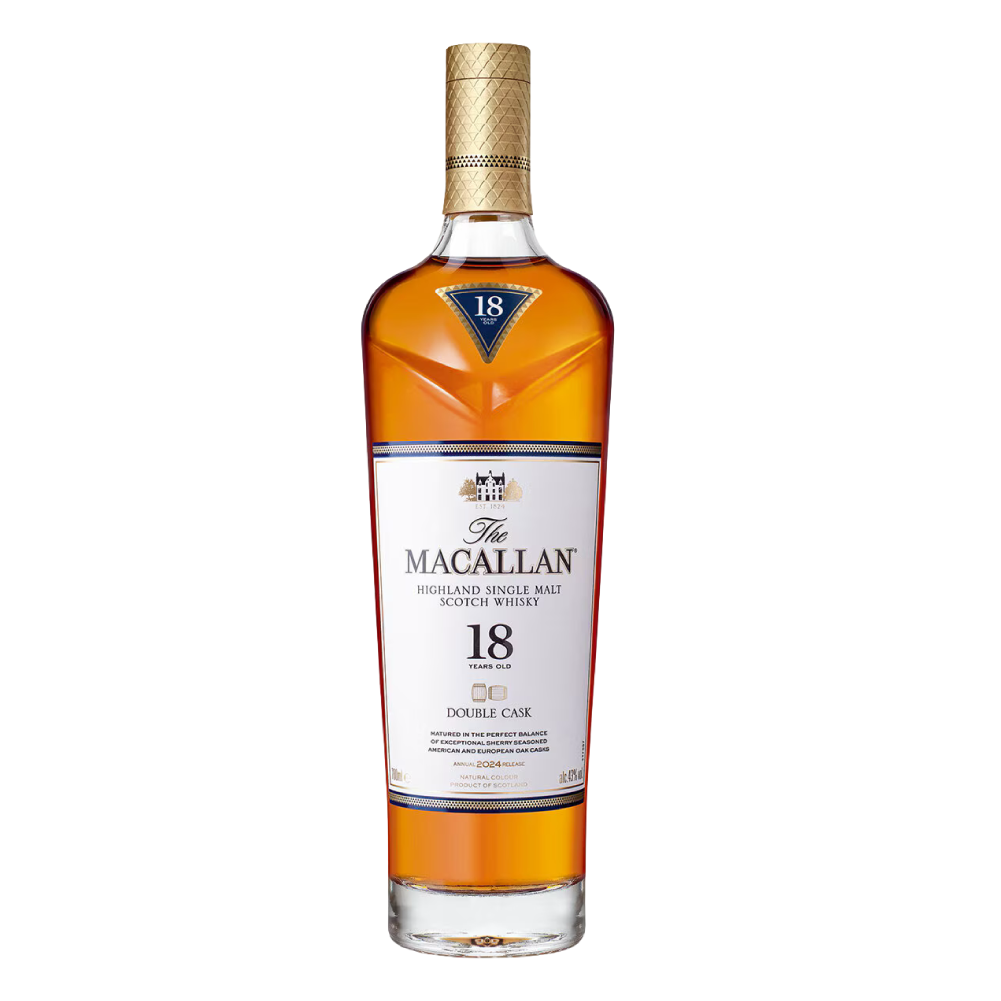
Why compare it with Macallan 18?
Macallan 18 gives us a useful peer. It is also premium whisky. It also carries brand prestige. But it belongs to a different collecting tradition and a different demand narrative.
Macallan’s appeal is rooted in long-established Scotch luxury and auction culture. Yamazaki’s modern price story is tied more closely to the rapid globalization of Japanese whisky. Comparing the two helps show that “premium spirits” is not one monolithic market.
What SPY contributes to the chart
SPY looks almost rude in this setting, which is why it belongs there. It forces the question: when a bottle rises in value, what are we actually comparing it against?
A stock-market benchmark is more liquid, more standardized, and much easier to scale. A whisky bottle carries bottle-specific market quirks and sale friction. The comparison is imperfect. It is still revealing.
The takeaway
Yamazaki 12 rose because Japanese whisky became a global object of desire while aged supply lagged behind. It cooled because markets eventually remember how to breathe.
Its chart captures scarcity, taste, and normalization in one line. That makes it one of the most useful spirits stories in The Splurge Index — not because it only goes up, but because it shows what happens after the world notices.