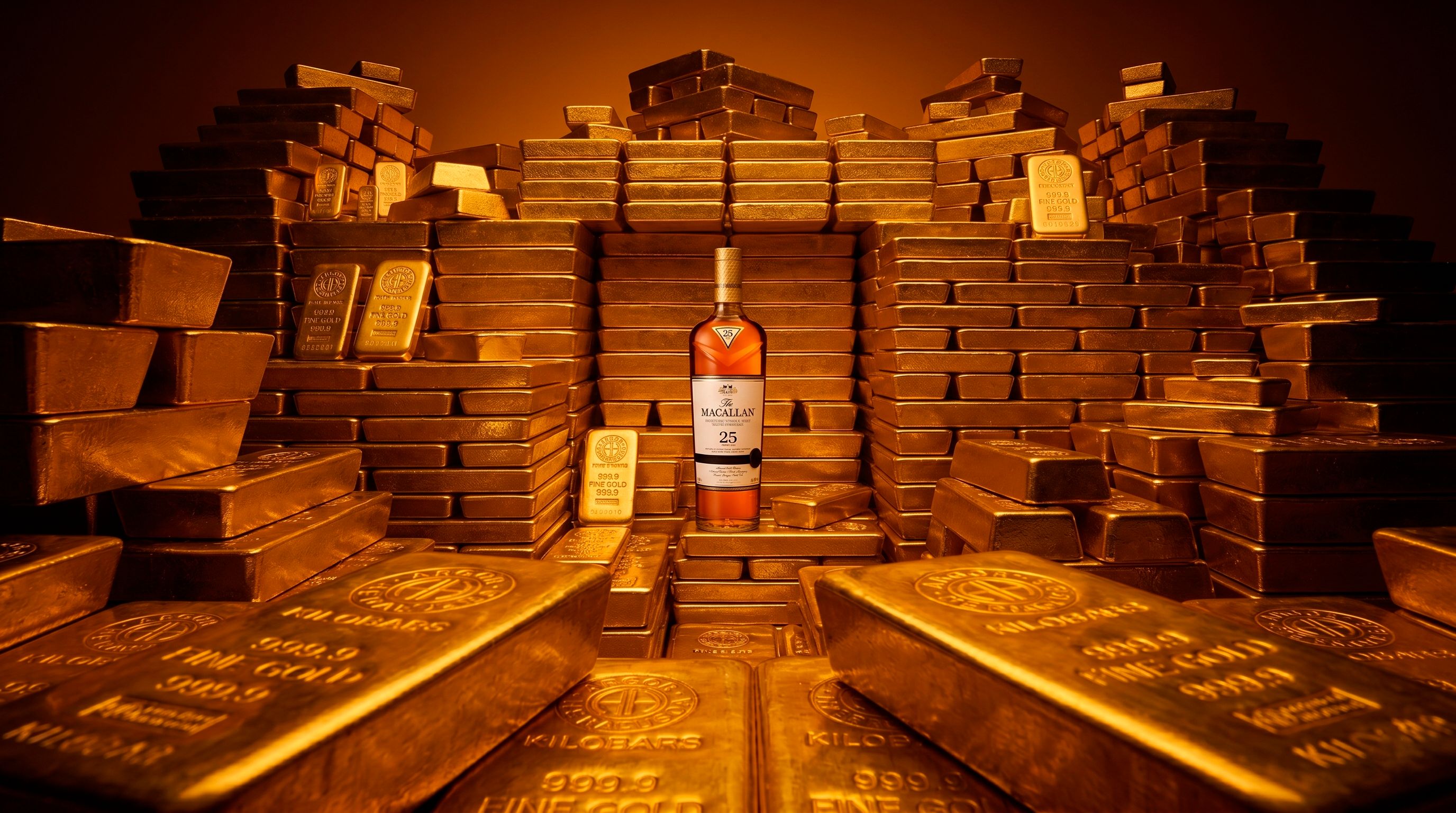
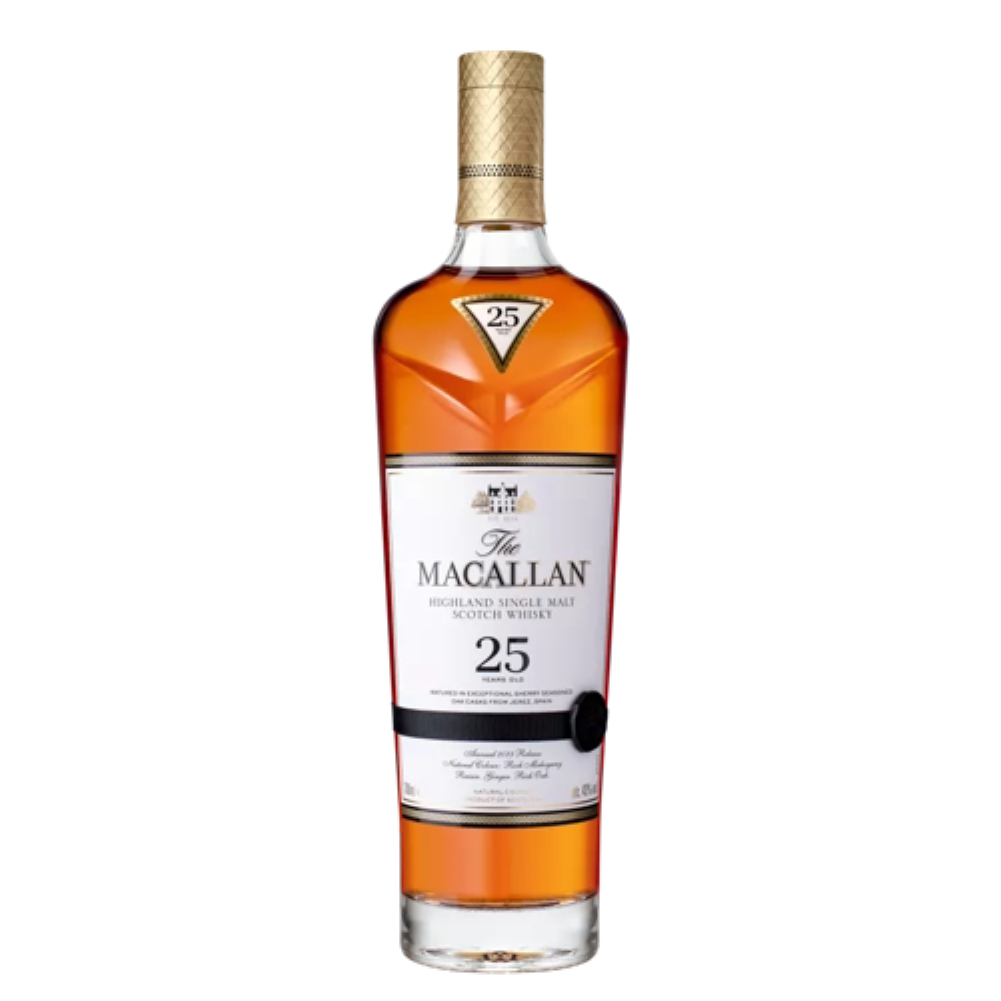
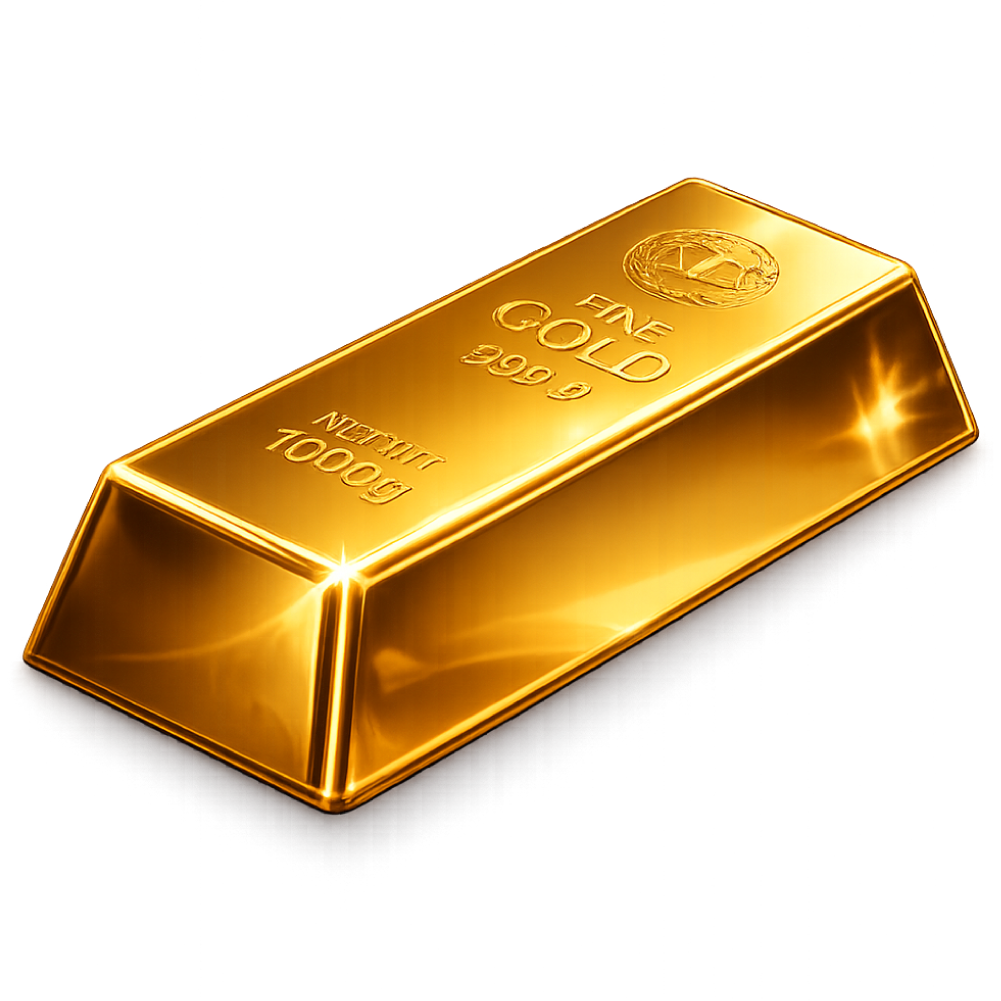
Gold is the classic store-of-value symbol. Macallan 25 is a very expensive bottle of whisky. The chart makes the comparison hard to ignore.
Gold and Macallan 25 sound like they belong in different conversations.
Gold is a historic store of value, a crisis asset, a macro headline. Macallan 25 is a bottle of Scotch that signals patience, wealth, and the kind of dinner party where someone says “open it” and nobody does.
Putting them on the same chart feels mischievous. That is exactly why it works.
What the chart shows
Macallan 25
Gold
Macallan 25 vs. Gold: Which Held Value Better?
The Splurge Index chart compares Macallan 25 Year Old with gold from 2015 to 2026.
The whisky series starts around £520 in 2015, rises substantially through the late 2010s, accelerates into the early 2020s, and reaches a high-water mark around the 2022 period before cooling. By 2026, it sits well above its starting level, but below its peak.
Gold follows a very different logic. It is globally priced, more liquid, and tied to macro conditions, rates, inflation expectations, and investor demand. Macallan 25 is a collectible object with fragmented resale behavior and thinner transaction depth.
That contrast is the article.
Why Macallan became collectible capital
Macallan 25
Gold
Macallan 25yr · 2016
~$963→~$2.2k
Gold · 2016
~$1.3k→~$4.6k
Macallan has long been one of the most powerful names in whisky collecting. Its heritage, age statements, auction visibility, and association with expensive bottles have made it unusually legible to buyers who treat whisky as more than something to drink.
Not every bottle behaves like a collectible. But Macallan sits near the center of the category’s prestige economy. Sotheby’s and other auction houses regularly feature rare Macallan expressions in high-value spirits sales, reinforcing the brand’s place in the upper tier of collectible whisky.
The 25 Year Old benefits from that halo. It is not the most extreme Macallan expression in the world, but it is recognizable, expensive, and old enough to read as serious.
Gold is boring in the most useful way
Gold does not need a label design or a cork condition report. It is standardized, liquid, and widely understood. That makes it a cleaner comparison asset than almost anything in the luxury world.
It is also why gold can look less dramatic in a chart. Its value story is not about collector excitement. It is about wealth preservation, macro uncertainty, and institutional demand.
When gold rises, people often read it as fear, inflation concern, currency anxiety, or central-bank behavior. When Macallan 25 rises, people read it as scarcity, luxury spending, collectible demand, and category enthusiasm.
Same chart. Completely different emotional engines.
The 2022 moment matters
The Macallan 25 series shows a major early-2020s surge and a later cooling. That arc mirrors a wider rare-whisky market that grew aggressively and then faced a more difficult period. Industry reports have described lower auction volumes, weaker pricing, and a more cautious buyer base in parts of the fine-and-rare whisky market after the boom.
That is important because it keeps the story honest. Collectibles do not rise in a straight line just because they feel scarce. The market can reprice them, especially after a period of exuberance.
What the chart misses
A bottle is not a bar of gold.
Macallan 25 can vary by:
release,
condition,
provenance,
packaging,
storage,
and buyer appetite at the exact moment of sale.
The market is less continuous. The exit is less frictionless. The resale spread is larger. That does not make the chart useless. It means the chart should be read as historical price behavior, not as a promise of identical tradability.
The takeaway
Did the bottle beat the bar? Over certain windows, the answer can be surprisingly flattering to the bottle. Over the full story, the more useful insight is that the two assets represent very different forms of perceived safety.
Gold offers macro legitimacy. Macallan 25 offers luxury scarcity with a pulse.
One belongs in vaults. The other belongs in cabinets. The chart does not care.